SOLDES
Jusqu'à -70% sur une sélection d'articles*

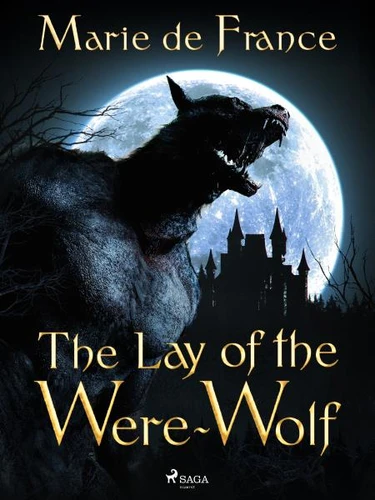
The Lay of the Were-Wolf
Par :Formats :
Disponible dans votre compte client Decitre ou Furet du Nord dès validation de votre commande. Le format ePub est :
- Compatible avec une lecture sur My Vivlio (smartphone, tablette, ordinateur)
- Compatible avec une lecture sur liseuses Vivlio
- Pour les liseuses autres que Vivlio, vous devez utiliser le logiciel Adobe Digital Edition. Non compatible avec la lecture sur les liseuses Kindle, Remarkable et Sony
 , qui est-ce ?
Notre partenaire de plateforme de lecture numérique où vous retrouverez l'ensemble de vos ebooks gratuitement
Pour en savoir plus sur nos ebooks, consultez notre aide en ligne ici
C'est si simple ! Lisez votre ebook avec l'app Vivlio sur votre tablette, mobile ou ordinateur :

- Nombre de pages10
- FormatePub
- ISBN978-87-28-47260-6
- EAN9788728472606
- Date de parution11/05/2023
- Protection num.Digital Watermarking
- Taille297 Ko
- Infos supplémentairesepub
- ÉditeurSAGA Egmont
Résumé
'Amongst the tales I tell you once again, I would not forget the Lay of the Were-Wolf. Such beasts as he are known in every land...'
A fine nobleman must flee to the woods where he periodically transforms into a gruesome beast. Out of his great love for his wife, he eventually reveals his dark secret. But will she accept his moonlit side?
And more importantly, what will become of their fate?
In Marie de France's 12th-century poem, readers are invited to both discover the poetic prose of the unique 'lai' narrative along with the intoxicating tale of a lover struck with the unbreakable curse of a werewolf.
Ideal for fans of Netflix's 'Werewolves Within', France's Celtic poem 'The Lay of the Were-Wolf' is a chilling tale well suited to lovers of dark academia.
Marie de France (1140 -C.
1190) is the earliest known French female poet, famous for her 12 poems known as 'lais'. A 'lai' or 'lay' is a brief narrative poem typically concerning love and adventure. France drew on Celtic legends for her 'lais' and entertained an aristocratic audience, most likely performing them to music. Similar to the romances of Chrétien de Troyes, France's 'lais' reflect 12th-century attitudes to chivalry and courtly love.
1190) is the earliest known French female poet, famous for her 12 poems known as 'lais'. A 'lai' or 'lay' is a brief narrative poem typically concerning love and adventure. France drew on Celtic legends for her 'lais' and entertained an aristocratic audience, most likely performing them to music. Similar to the romances of Chrétien de Troyes, France's 'lais' reflect 12th-century attitudes to chivalry and courtly love.