SOLDES
Jusqu'à -70% sur une sélection d'articles*

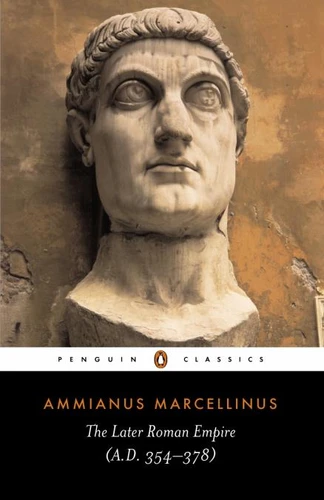
The Later Roman Empire. (a.D. 354-378)
Par : ,Formats :
Disponible dans votre compte client Decitre ou Furet du Nord dès validation de votre commande. Le format ePub protégé est :
- Compatible avec une lecture sur My Vivlio (smartphone, tablette, ordinateur)
- Compatible avec une lecture sur liseuses Vivlio
- Pour les liseuses autres que Vivlio, vous devez utiliser le logiciel Adobe Digital Edition. Non compatible avec la lecture sur les liseuses Kindle, Remarkable et Sony
- Non compatible avec un achat hors France métropolitaine
 , qui est-ce ?
Notre partenaire de plateforme de lecture numérique où vous retrouverez l'ensemble de vos ebooks gratuitement
Pour en savoir plus sur nos ebooks, consultez notre aide en ligne ici
C'est si simple ! Lisez votre ebook avec l'app Vivlio sur votre tablette, mobile ou ordinateur :

- Nombre de pages512
- FormatePub
- ISBN0-14-192150-1
- EAN9780141921501
- Date de parution01/07/2004
- Protection num.Adobe DRM
- Infos supplémentairesepub
- ÉditeurPENGUIN
Résumé
Ammianus Marcellinus was the last great Roman historian, and his writings rank alongside those of Livy and Tacitus. The Later Roman Empire chronicles a period of twenty-five years during Marcellinus' own lifetime, covering the reigns of Constantius, Julian, Jovian, Valentinian I, and Valens, and providing eyewitness accounts of significant military events including the Battle of Strasbourg and the Goth's Revolt.
Portraying a time of rapid and dramatic change, Marcellinus describes an Empire exhausted by excessive taxation, corruption, the financial ruin of the middle classes and the progressive decline in the morale of the army. In this magisterial depiction of the closing decades of the Roman Empire, we can see the seeds of events that were to lead to the fall of the city, just twenty years after Marcellinus' death.
Portraying a time of rapid and dramatic change, Marcellinus describes an Empire exhausted by excessive taxation, corruption, the financial ruin of the middle classes and the progressive decline in the morale of the army. In this magisterial depiction of the closing decades of the Roman Empire, we can see the seeds of events that were to lead to the fall of the city, just twenty years after Marcellinus' death.