SOLDES
Jusqu'à -70% sur une sélection d'articles*

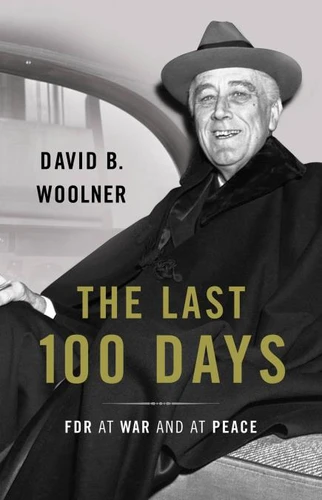
The Last 100 Days. FDR at War and at Peace
Par :Formats :
Disponible dans votre compte client Decitre ou Furet du Nord dès validation de votre commande. Le format ePub protégé est :
- Compatible avec une lecture sur My Vivlio (smartphone, tablette, ordinateur)
- Compatible avec une lecture sur liseuses Vivlio
- Pour les liseuses autres que Vivlio, vous devez utiliser le logiciel Adobe Digital Edition. Non compatible avec la lecture sur les liseuses Kindle, Remarkable et Sony
- Non compatible avec un achat hors France métropolitaine
 , qui est-ce ?
Notre partenaire de plateforme de lecture numérique où vous retrouverez l'ensemble de vos ebooks gratuitement
Pour en savoir plus sur nos ebooks, consultez notre aide en ligne ici
C'est si simple ! Lisez votre ebook avec l'app Vivlio sur votre tablette, mobile ou ordinateur :

- Nombre de pages368
- FormatePub
- ISBN978-0-465-09651-0
- EAN9780465096510
- Date de parution11/12/2017
- Protection num.Adobe DRM
- Infos supplémentairesepub
- ÉditeurBasic Books
Résumé
A revealing portrait of the end of Franklin Delano Roosevelt's life and presidency, shedding new light on how he made his momentous final policy decisions The first hundred days of FDR's presidency are justly famous, often viewed as a period of political action without equal in American history. Yet as historian David B. Woolner reveals, the last hundred might very well surpass them in drama and consequence.
Drawing on new evidence, Woolner shows how FDR called on every ounce of his diminishing energy to pursue what mattered most to him: the establishment of the United Nations, the reinvigoration of the New Deal, and the possibility of a Jewish homeland in Palestine. We see a president shorn of the usual distractions of office, a man whose sense of personal responsibility for the American people bore heavily upon him.
As Woolner argues, even in declining health FDR displayed remarkable political talent and foresight as he focused his energies on shaping the peace to come.
Drawing on new evidence, Woolner shows how FDR called on every ounce of his diminishing energy to pursue what mattered most to him: the establishment of the United Nations, the reinvigoration of the New Deal, and the possibility of a Jewish homeland in Palestine. We see a president shorn of the usual distractions of office, a man whose sense of personal responsibility for the American people bore heavily upon him.
As Woolner argues, even in declining health FDR displayed remarkable political talent and foresight as he focused his energies on shaping the peace to come.