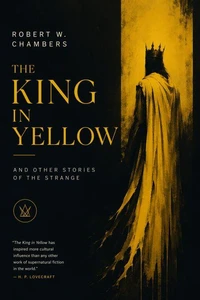
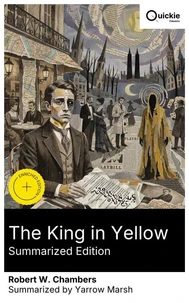
The King in Yellow is a fascinating, almost two-faced work. The first half consists of five legendary weird tales, loosely tied together by a fictional play-the eponymous King in Yellow -that drives those who read it mad. Celebrated by authors like H. P. Lovecraft and Lin Carter, these stories are classic tales of madness, despair, and strange happenings. With the fifth tale the reader finds a sort of palate-cleansing collection of short prose-poems leading into the last four stories, which take a sharp turn away from the weird and into the romantic.
The concluding tales are set in the Parisian art world. In modern times The King in Yellow enjoys a reputation largely due to the strength of its first half of macabre tales, but by no means does that make the second half less enjoyable. Both halves are written in a quick, light prose style that demonstrates why Chambers was a best-seller in his day. Robert W. Chambers (died 1933) was a major literary figure of the early 20th century.
Their work has endured across generations and continues to be read and studied worldwide. Gothic and horror fiction of the 19th and early 20th centuries explored the darker reaches of human psychology and the supernatural. The King In Yellow exemplifies this tradition of tales designed to unsettle and disturb, confronting readers with fears both ancient and immediate.
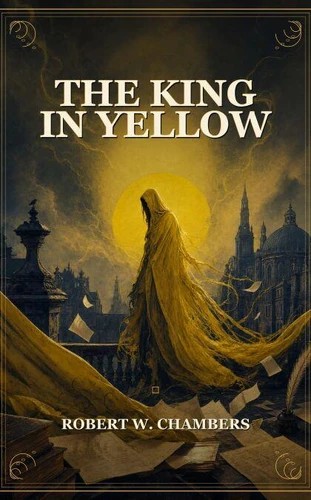
The King in Yellow is a fascinating, almost two-faced work. The first half consists of five legendary weird tales, loosely tied together by a fictional play-the eponymous King in Yellow -that drives those who read it mad. Celebrated by authors like H. P. Lovecraft and Lin Carter, these stories are classic tales of madness, despair, and strange happenings. With the fifth tale the reader finds a sort of palate-cleansing collection of short prose-poems leading into the last four stories, which take a sharp turn away from the weird and into the romantic.
The concluding tales are set in the Parisian art world. In modern times The King in Yellow enjoys a reputation largely due to the strength of its first half of macabre tales, but by no means does that make the second half less enjoyable. Both halves are written in a quick, light prose style that demonstrates why Chambers was a best-seller in his day. Robert W. Chambers (died 1933) was a major literary figure of the early 20th century.
Their work has endured across generations and continues to be read and studied worldwide. Gothic and horror fiction of the 19th and early 20th centuries explored the darker reaches of human psychology and the supernatural. The King In Yellow exemplifies this tradition of tales designed to unsettle and disturb, confronting readers with fears both ancient and immediate.

 , qui est-ce ?