SOLDES
Jusqu'à -70% sur une sélection d'articles*

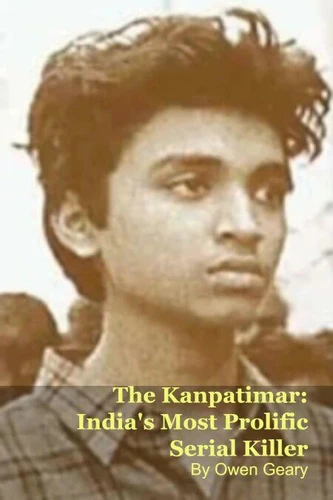
The Kanpatimar: India's Most Prolific Serial Killer
Par :Formats :
Disponible dans votre compte client Decitre ou Furet du Nord dès validation de votre commande. Le format ePub est :
- Compatible avec une lecture sur My Vivlio (smartphone, tablette, ordinateur)
- Compatible avec une lecture sur liseuses Vivlio
- Pour les liseuses autres que Vivlio, vous devez utiliser le logiciel Adobe Digital Edition. Non compatible avec la lecture sur les liseuses Kindle, Remarkable et Sony
 , qui est-ce ?
Notre partenaire de plateforme de lecture numérique où vous retrouverez l'ensemble de vos ebooks gratuitement
Pour en savoir plus sur nos ebooks, consultez notre aide en ligne ici
C'est si simple ! Lisez votre ebook avec l'app Vivlio sur votre tablette, mobile ou ordinateur :

- FormatePub
- ISBN8232675981
- EAN9798232675981
- Date de parution02/03/2026
- Protection num.pas de protection
- Infos supplémentairesepub
- ÉditeurDraft2Digital
Résumé
The Kanpatimar: India's Most Prolific Serial KillerIn September 1973, three men sleeping in a Gurdwara in Ganganagar, northern Rajasthan, were struck on the temple while they slept. Two died. The attack left behind a sealed iron cashbox bearing a set of latent fingerprints, and the first trace of the man who would become India's most prolific serial killer. The Kanpatimar reconstructs the full arc of the Kanpatimar Shankariya case: from the forensic investigation that secured his first conviction in 1975, to the catastrophic systemic failure that allowed him to commit seventy additional murders across Rajasthan, Punjab, and Haryana before his second arrest in January 1979.
Drawing on court records, forensic science, criminological theory, and the social history of 1970s north India, this book examines not only who Shankariya was, but what conditions made his crimes possible, and possible for so long. This is a story about a killer who confessed to targeting the temple because the screams sounded like music. It is also a story about the rural poor who slept unprotected in dharamshalas and on railway platforms, about the institutional failures that left them there, and about a justice system capable of forensic brilliance and administrative catastrophe in the same breath.
Drawing on court records, forensic science, criminological theory, and the social history of 1970s north India, this book examines not only who Shankariya was, but what conditions made his crimes possible, and possible for so long. This is a story about a killer who confessed to targeting the temple because the screams sounded like music. It is also a story about the rural poor who slept unprotected in dharamshalas and on railway platforms, about the institutional failures that left them there, and about a justice system capable of forensic brilliance and administrative catastrophe in the same breath.