SOLDES
Jusqu'à -70% sur une sélection d'articles*
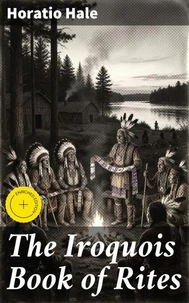
The Iroquois Book of Rites
Par :Formats :
Disponible dans votre compte client Decitre ou Furet du Nord dès validation de votre commande. Le format ePub est :
- Compatible avec une lecture sur My Vivlio (smartphone, tablette, ordinateur)
- Compatible avec une lecture sur liseuses Vivlio
- Pour les liseuses autres que Vivlio, vous devez utiliser le logiciel Adobe Digital Edition. Non compatible avec la lecture sur les liseuses Kindle, Remarkable et Sony
 , qui est-ce ?
Notre partenaire de plateforme de lecture numérique où vous retrouverez l'ensemble de vos ebooks gratuitement
Pour en savoir plus sur nos ebooks, consultez notre aide en ligne ici
C'est si simple ! Lisez votre ebook avec l'app Vivlio sur votre tablette, mobile ou ordinateur :

- Nombre de pages171
- FormatePub
- ISBN859-65--4717773-9
- EAN8596547177739
- Date de parution15/08/2022
- Protection num.Digital Watermarking
- Taille504 Ko
- Infos supplémentairesepub
- ÉditeurDIGICAT
Résumé
In "The Iroquois Book of Rites, " Horatio Hale meticulously compiles and analyzes the rich tapestry of ritual practices and ceremonies of the Iroquois Confederacy. Richly woven with ethnographic detail and linguistic insights, Hale's work not only serves as a chronicle of indigenous customs but also engages in a nuanced exploration of the spirituality and philosophy embedded in Iroquois culture. The text stands out for its anthropological lens, bridging literary narrative and scholarly analysis, thus contributing significantly to the corpus of Native American studies and ethnology during the late 19th century.
Horatio Hale, a prominent linguist and ethnographer of his time, brought to bear a profound appreciation for indigenous languages and cultures. His experiences with the Iroquois, coupled with his academic pursuits, shaped his understanding of the intricate bond between ritual practices and identity in Native American societies. Hale's prior work and participation in the study of languages uniquely positioned him to convey the depth and complexity of Iroquois rites, reflecting a deep respect for their cultural legacy.
This book is essential for anyone interested in the intersection of anthropology, Native American history, and ritual studies. Scholars, students, and general readers alike will find Hale's work an invaluable resource that not only preserves but also interprets the vibrant traditions of the Iroquois, offering profound insights into their worldview and cultural significance.
Horatio Hale, a prominent linguist and ethnographer of his time, brought to bear a profound appreciation for indigenous languages and cultures. His experiences with the Iroquois, coupled with his academic pursuits, shaped his understanding of the intricate bond between ritual practices and identity in Native American societies. Hale's prior work and participation in the study of languages uniquely positioned him to convey the depth and complexity of Iroquois rites, reflecting a deep respect for their cultural legacy.
This book is essential for anyone interested in the intersection of anthropology, Native American history, and ritual studies. Scholars, students, and general readers alike will find Hale's work an invaluable resource that not only preserves but also interprets the vibrant traditions of the Iroquois, offering profound insights into their worldview and cultural significance.