SOLDES
Jusqu'à -70% sur une sélection d'articles*

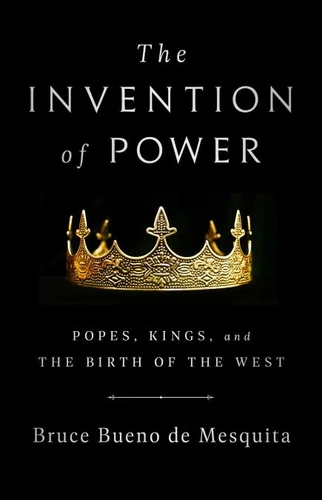
The Invention of Power. Popes, Kings, and the Birth of the West
Par :Formats :
Disponible dans votre compte client Decitre ou Furet du Nord dès validation de votre commande. Le format ePub protégé est :
- Compatible avec une lecture sur My Vivlio (smartphone, tablette, ordinateur)
- Compatible avec une lecture sur liseuses Vivlio
- Pour les liseuses autres que Vivlio, vous devez utiliser le logiciel Adobe Digital Edition. Non compatible avec la lecture sur les liseuses Kindle, Remarkable et Sony
- Non compatible avec un achat hors France métropolitaine
 , qui est-ce ?
Notre partenaire de plateforme de lecture numérique où vous retrouverez l'ensemble de vos ebooks gratuitement
Pour en savoir plus sur nos ebooks, consultez notre aide en ligne ici
C'est si simple ! Lisez votre ebook avec l'app Vivlio sur votre tablette, mobile ou ordinateur :

- Nombre de pages352
- FormatePub
- ISBN978-1-5417-7440-7
- EAN9781541774407
- Date de parution17/01/2022
- Protection num.Adobe DRM
- Infos supplémentairesepub
- ÉditeurPublicAffairs
Résumé
In the tradition of Why Nations Fail, this book solves one of the great puzzles of history: Why did the West become the most powerful civilization in the world?Western exceptionalism-the idea that European civilizations are freer, wealthier, and less violent-is a widespread and powerful political idea. It has been a source of peace and prosperity in some societies, and of ethnic cleansing and havoc in others.
Yet in The Invention of Power, Bruce Bueno de Mesquita draws on his expertise in political maneuvering, deal-making, and game theory to present a revolutionary new theory of Western exceptionalism: that a single, rarely discussed event in the twelfth century changed the course of European and world history. By creating a compromise between churches and nation-states that, in effect, traded money for power and power for money, the 1122 Concordat of Worms incentivized economic growth, facilitated secularization, and improved the lot of the citizenry, all of which set European countries on a course for prosperity.
In the centuries since, countries that have had a similar dynamic of competition between church and state have been consistently better off than those that have not. The Invention of Power upends conventional thinking about European culture, religion, and race and presents a persuasive new vision of world history.
Yet in The Invention of Power, Bruce Bueno de Mesquita draws on his expertise in political maneuvering, deal-making, and game theory to present a revolutionary new theory of Western exceptionalism: that a single, rarely discussed event in the twelfth century changed the course of European and world history. By creating a compromise between churches and nation-states that, in effect, traded money for power and power for money, the 1122 Concordat of Worms incentivized economic growth, facilitated secularization, and improved the lot of the citizenry, all of which set European countries on a course for prosperity.
In the centuries since, countries that have had a similar dynamic of competition between church and state have been consistently better off than those that have not. The Invention of Power upends conventional thinking about European culture, religion, and race and presents a persuasive new vision of world history.
A propos de Bruce Bueno de Mesquita





49,05 €