SOLDES
Jusqu'à -70% sur une sélection d'articles*

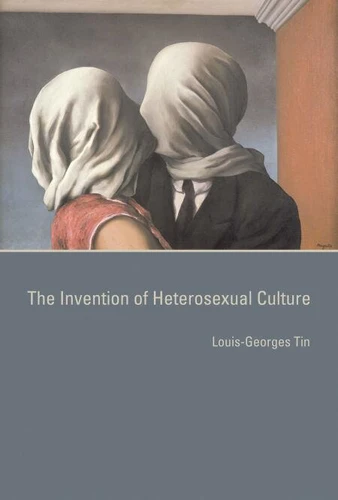
The Invention of Heterosexual Culture
Par :Formats :
Disponible dans votre compte client Decitre ou Furet du Nord dès validation de votre commande. Le format ePub protégé est :
- Compatible avec une lecture sur My Vivlio (smartphone, tablette, ordinateur)
- Compatible avec une lecture sur liseuses Vivlio
- Pour les liseuses autres que Vivlio, vous devez utiliser le logiciel Adobe Digital Edition. Non compatible avec la lecture sur les liseuses Kindle, Remarkable et Sony
- Non compatible avec un achat hors France métropolitaine
 , qui est-ce ?
Notre partenaire de plateforme de lecture numérique où vous retrouverez l'ensemble de vos ebooks gratuitement
Pour en savoir plus sur nos ebooks, consultez notre aide en ligne ici
C'est si simple ! Lisez votre ebook avec l'app Vivlio sur votre tablette, mobile ou ordinateur :

- Nombre de pages216
- FormatePub
- ISBN978-0-262-30501-3
- EAN9780262305013
- Date de parution17/08/2012
- Protection num.Adobe DRM
- Taille259 Ko
- Infos supplémentairesepub
- ÉditeurThe MIT Press
Résumé
The rise of heterosexual culture and the resistance it met from feudal lords, church fathers, and the medical profession. Heterosexuality is celebrated-in film and television, in pop songs and opera, in literature and on greeting cards-and at the same time taken for granted. It is the cultural and sexual norm by default. And yet, as Louis-Georges Tin shows in The Invention of Heterosexual Culture, in premodern Europe heterosexuality was perceived as an alternative culture.
The practice of heterosexuality may have been standard, but the symbolic primacy of the heterosexual couple was not. Tin maps the emergence of heterosexual culture in Western Europe and the significant resistance to it from feudal lords, church fathers, and the medical profession. Tin writes that before the phenomenon of "courtly love" in the early twelfth century, the man-woman pairing had not been deemed a subject worthy of more than passing interest.
As heterosexuality became a recurrent theme in art and literature, the nobility came to view it as a disruption of the feudal chivalric ethos of virility and male bonding. If feudal lords objected to the "hetero" in heterosexuality and what they saw as the associated dangers of weakness and effeminacy, the church took issue with the "sexuality, " which threatened the Christian ethos of renunciation and divine love.
Finally, the medical profession cast heterosexuality as pathology, warning of an epidemic of "lovesickness."Noting that the discourse of heterosexuality does not belong to heterosexuals alone, Tin offers a groundbreaking history that reasserts the cultural identity of heterosexuality.
The practice of heterosexuality may have been standard, but the symbolic primacy of the heterosexual couple was not. Tin maps the emergence of heterosexual culture in Western Europe and the significant resistance to it from feudal lords, church fathers, and the medical profession. Tin writes that before the phenomenon of "courtly love" in the early twelfth century, the man-woman pairing had not been deemed a subject worthy of more than passing interest.
As heterosexuality became a recurrent theme in art and literature, the nobility came to view it as a disruption of the feudal chivalric ethos of virility and male bonding. If feudal lords objected to the "hetero" in heterosexuality and what they saw as the associated dangers of weakness and effeminacy, the church took issue with the "sexuality, " which threatened the Christian ethos of renunciation and divine love.
Finally, the medical profession cast heterosexuality as pathology, warning of an epidemic of "lovesickness."Noting that the discourse of heterosexuality does not belong to heterosexuals alone, Tin offers a groundbreaking history that reasserts the cultural identity of heterosexuality.