SOLDES
Jusqu'à -70% sur une sélection d'articles*

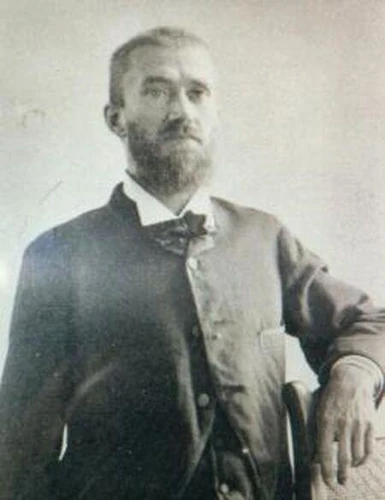
The Insane Assassin of President James A. Garfield: Charles Julius Guiteau.
Par :Formats :
Disponible dans votre compte client Decitre ou Furet du Nord dès validation de votre commande. Le format ePub est :
- Compatible avec une lecture sur My Vivlio (smartphone, tablette, ordinateur)
- Compatible avec une lecture sur liseuses Vivlio
- Pour les liseuses autres que Vivlio, vous devez utiliser le logiciel Adobe Digital Edition. Non compatible avec la lecture sur les liseuses Kindle, Remarkable et Sony
 , qui est-ce ?
Notre partenaire de plateforme de lecture numérique où vous retrouverez l'ensemble de vos ebooks gratuitement
Pour en savoir plus sur nos ebooks, consultez notre aide en ligne ici
C'est si simple ! Lisez votre ebook avec l'app Vivlio sur votre tablette, mobile ou ordinateur :

- FormatePub
- ISBN8231870561
- EAN9798231870561
- Date de parution22/11/2025
- Protection num.pas de protection
- Infos supplémentairesepub
- ÉditeurWalzone Press
Résumé
The Insane Assassin of President James A. Garfield: Charles Julius Guiteau. SummaryThe tragic assassination of President James A. Garfield in the summer of 1881 was set in motion by Charles Julius Guiteau, a desperate office-seeker, who shot the President at a Washington train station. This account is a first-person investigation into Guiteau's life, tracing his trajectory from a difficult childhood in Illinois, through his failures with the Oneida Community, his fraudulent attempts at a legal career, and his rambling sermons, culminating in four months of relentless harassment that ended in the assassination.
Through extensive research, including interviews with Guiteau's descendants, scrutiny of trial transcripts and medical records, and visits to locations central to his life, this narrative suggests Guiteau was a man whose personality flaws escalated into murderous delusions, likely fueled by neurosyphilis, a brain disease. Ironically, Garfield did not succumb to the bullet itself but to systemic infection over seventy-nine agonizing days, as doctors fatally probed the wound with unwashed hands, highlighting the need for antiseptic surgery.
Despite dying on the gallows in the mistaken belief that he was a patriot, Guiteau's act inadvertently spurred three major reforms. His attempt to exploit the corrupt patronage system led to the Pendleton Civil Service Act, which dismantled it. His victim's medical tragedy forced American medicine to adopt antiseptic surgical practices. Furthermore, his trial exposed critical shortcomings in the legal handling of mental illness.
The man who craved notoriety achieved it, ironically, by accidentally undermining all he stood for and ultimately fostering positive change in America.
Through extensive research, including interviews with Guiteau's descendants, scrutiny of trial transcripts and medical records, and visits to locations central to his life, this narrative suggests Guiteau was a man whose personality flaws escalated into murderous delusions, likely fueled by neurosyphilis, a brain disease. Ironically, Garfield did not succumb to the bullet itself but to systemic infection over seventy-nine agonizing days, as doctors fatally probed the wound with unwashed hands, highlighting the need for antiseptic surgery.
Despite dying on the gallows in the mistaken belief that he was a patriot, Guiteau's act inadvertently spurred three major reforms. His attempt to exploit the corrupt patronage system led to the Pendleton Civil Service Act, which dismantled it. His victim's medical tragedy forced American medicine to adopt antiseptic surgical practices. Furthermore, his trial exposed critical shortcomings in the legal handling of mental illness.
The man who craved notoriety achieved it, ironically, by accidentally undermining all he stood for and ultimately fostering positive change in America.