SOLDES
Jusqu'à -70% sur une sélection d'articles*

Nouveauté
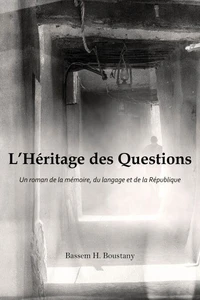
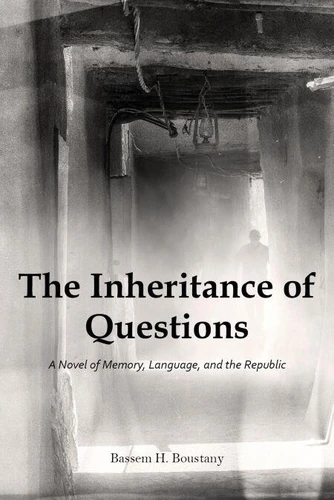
THE INHERITANCE OF QUESTIONS: A Novel of Memory, Language, and the Republic
Par : ,Formats :
Disponible dans votre compte client Decitre ou Furet du Nord dès validation de votre commande. Le format ePub est :
- Compatible avec une lecture sur My Vivlio (smartphone, tablette, ordinateur)
- Compatible avec une lecture sur liseuses Vivlio
- Pour les liseuses autres que Vivlio, vous devez utiliser le logiciel Adobe Digital Edition. Non compatible avec la lecture sur les liseuses Kindle, Remarkable et Sony
 , qui est-ce ?
Notre partenaire de plateforme de lecture numérique où vous retrouverez l'ensemble de vos ebooks gratuitement
Pour en savoir plus sur nos ebooks, consultez notre aide en ligne ici
C'est si simple ! Lisez votre ebook avec l'app Vivlio sur votre tablette, mobile ou ordinateur :

- FormatePub
- ISBN8235040892
- EAN9798235040892
- Date de parution24/06/2026
- Protection num.pas de protection
- Infos supplémentairesepub
- ÉditeurIoakim Ioakim
Résumé
The Inheritance of QuestionsProfessor Walid Destan has spent a lifetime studying society. A respected professor of political sociology, he has devoted decades to examining citizenship, institutions, history, and the forces that shape collective life. Yet a seemingly ordinary observation unsettles him and sets him on an unexpected intellectual journey, one that gradually transforms the way he understands the Republic, its citizens, and his own place within it.
What begins as a simple question evolves into a thoughtful exploration of memory, responsibility, trust, participation, and the invisible bonds that connect generations. Through conversations with students, historians, former public officials, colleagues, and ordinary citizens, Walid discovers that societies are sustained by far more than laws, governments, or economic systems. They also depend on trust, shared expectations, collective memory, and countless acts of cooperation that rarely attract attention but quietly shape the future.
At the center of his inquiry stands Maya Haris, an insightful student whose questions challenge many of his assumptions. Alongside her are two long-time companions who enrich his search for understanding. Dr. Nabil Ralme, a historian and close friend, provides the perspective of memory and historical continuity. Samir Addad, a former minister and experienced public servant, offers insights drawn from years spent within public institutions and government.
Together, these conversations become the foundation of a wider investigation into the nature of collective life. Why do some societies inspire participation while others encourage indifference?How is trust built, sustained, and lost?What responsibilities do citizens owe one another?How are values transmitted across generations?What role do memory, institutions, and shared narratives play in shaping the future?As Walid explores these questions, he gradually discovers that societies are held together by invisible agreements that cannot be legislated or easily measured.
Trust, responsibility, civic participation, hope, and collective memory prove to be as important as formal institutions. Beneath every society lies an ongoing conversation between generations, a continuous exchange of ideas, experiences, expectations, and questions. Set within an unnamed Republic that could exist almost anywhere, The Inheritance of Questions deliberately transcends geography and politics to focus on universal human concerns.
Through classrooms, cafés, city streets, public institutions, and private reflections, the novel examines the balance between continuity and change, tradition and innovation, individual freedom and collective responsibility. Part literary fiction, part philosophical reflection, and part meditation on citizenship, the novel explores the questions societies ask about themselves and the responsibilities inherited by each generation.
It is a story about the values that sustain communities, the importance of dialogue, and the role ordinary citizens play in shaping the future. At its heart, The Inheritance of Questions is not a novel about answers. It is a novel about inheritance. Not the inheritance of wealth, power, or status, but the inheritance of questions. The questions societies leave behind. The questions citizens pass to future generations.
The questions that remain open because they can never be answered once and for all. Wise, reflective, and deeply human, The Inheritance of Questions reminds us that the future is not something we simply receive. It is something we build together through memory, dialogue, responsibility, and imagination. For perhaps our most enduring legacy is not the answers we leave behind, but the quality of the questions we choose to pass on.
What begins as a simple question evolves into a thoughtful exploration of memory, responsibility, trust, participation, and the invisible bonds that connect generations. Through conversations with students, historians, former public officials, colleagues, and ordinary citizens, Walid discovers that societies are sustained by far more than laws, governments, or economic systems. They also depend on trust, shared expectations, collective memory, and countless acts of cooperation that rarely attract attention but quietly shape the future.
At the center of his inquiry stands Maya Haris, an insightful student whose questions challenge many of his assumptions. Alongside her are two long-time companions who enrich his search for understanding. Dr. Nabil Ralme, a historian and close friend, provides the perspective of memory and historical continuity. Samir Addad, a former minister and experienced public servant, offers insights drawn from years spent within public institutions and government.
Together, these conversations become the foundation of a wider investigation into the nature of collective life. Why do some societies inspire participation while others encourage indifference?How is trust built, sustained, and lost?What responsibilities do citizens owe one another?How are values transmitted across generations?What role do memory, institutions, and shared narratives play in shaping the future?As Walid explores these questions, he gradually discovers that societies are held together by invisible agreements that cannot be legislated or easily measured.
Trust, responsibility, civic participation, hope, and collective memory prove to be as important as formal institutions. Beneath every society lies an ongoing conversation between generations, a continuous exchange of ideas, experiences, expectations, and questions. Set within an unnamed Republic that could exist almost anywhere, The Inheritance of Questions deliberately transcends geography and politics to focus on universal human concerns.
Through classrooms, cafés, city streets, public institutions, and private reflections, the novel examines the balance between continuity and change, tradition and innovation, individual freedom and collective responsibility. Part literary fiction, part philosophical reflection, and part meditation on citizenship, the novel explores the questions societies ask about themselves and the responsibilities inherited by each generation.
It is a story about the values that sustain communities, the importance of dialogue, and the role ordinary citizens play in shaping the future. At its heart, The Inheritance of Questions is not a novel about answers. It is a novel about inheritance. Not the inheritance of wealth, power, or status, but the inheritance of questions. The questions societies leave behind. The questions citizens pass to future generations.
The questions that remain open because they can never be answered once and for all. Wise, reflective, and deeply human, The Inheritance of Questions reminds us that the future is not something we simply receive. It is something we build together through memory, dialogue, responsibility, and imagination. For perhaps our most enduring legacy is not the answers we leave behind, but the quality of the questions we choose to pass on.