SOLDES
Jusqu'à -70% sur une sélection d'articles*

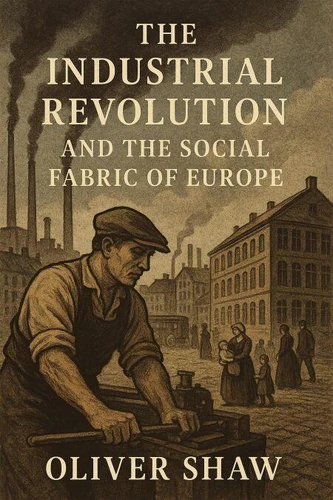
The Industrial Revolution and the Social Fabric of Europe
Par :Formats :
Disponible dans votre compte client Decitre ou Furet du Nord dès validation de votre commande. Le format ePub est :
- Compatible avec une lecture sur My Vivlio (smartphone, tablette, ordinateur)
- Compatible avec une lecture sur liseuses Vivlio
- Pour les liseuses autres que Vivlio, vous devez utiliser le logiciel Adobe Digital Edition. Non compatible avec la lecture sur les liseuses Kindle, Remarkable et Sony
 , qui est-ce ?
Notre partenaire de plateforme de lecture numérique où vous retrouverez l'ensemble de vos ebooks gratuitement
Pour en savoir plus sur nos ebooks, consultez notre aide en ligne ici
C'est si simple ! Lisez votre ebook avec l'app Vivlio sur votre tablette, mobile ou ordinateur :

- FormatePub
- ISBN8230485773
- EAN9798230485773
- Date de parution14/04/2025
- Protection num.pas de protection
- Infos supplémentairesepub
- ÉditeurIndependently Published
Résumé
"The Industrial Revolution and the Social Fabric of Europe" by Oliver Shaw explores the profound transformation of European society during the 18th and 19th centuries, driven by the rise of industrial capitalism. The book delves into how the shift from agrarian economies to industrialized ones reshaped the social, economic, and political structures of Europe. It examines the emergence of new social classes, including the industrial bourgeoisie and the working class, and the growing tensions between them.
Shaw investigates the impact of industrialization on family structures, labor conditions, gender roles, and education, alongside the darker consequences of child labor, exploitation, and urban squalor. The book also analyzes the rise of political movements, from liberalism to socialism, which emerged as responses to the inequalities created by industrial capitalism. Through an in-depth exploration of key figures, events, and primary sources, this work provides a comprehensive view of how the Industrial Revolution altered the fabric of European society, paving the way for the modern world.
Shaw investigates the impact of industrialization on family structures, labor conditions, gender roles, and education, alongside the darker consequences of child labor, exploitation, and urban squalor. The book also analyzes the rise of political movements, from liberalism to socialism, which emerged as responses to the inequalities created by industrial capitalism. Through an in-depth exploration of key figures, events, and primary sources, this work provides a comprehensive view of how the Industrial Revolution altered the fabric of European society, paving the way for the modern world.


