SOLDES
Jusqu'à -70% sur une sélection d'articles*

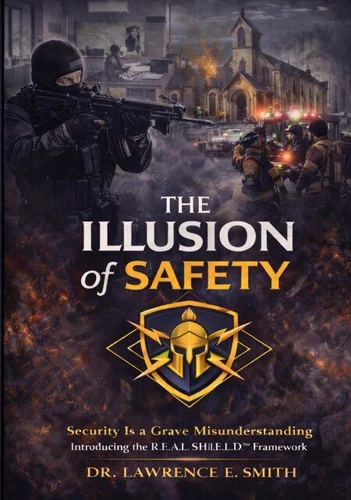
The Illusion of Safety
Par :Formats :
Disponible dans votre compte client Decitre ou Furet du Nord dès validation de votre commande. Le format ePub est :
- Compatible avec une lecture sur My Vivlio (smartphone, tablette, ordinateur)
- Compatible avec une lecture sur liseuses Vivlio
- Pour les liseuses autres que Vivlio, vous devez utiliser le logiciel Adobe Digital Edition. Non compatible avec la lecture sur les liseuses Kindle, Remarkable et Sony
 , qui est-ce ?
Notre partenaire de plateforme de lecture numérique où vous retrouverez l'ensemble de vos ebooks gratuitement
Pour en savoir plus sur nos ebooks, consultez notre aide en ligne ici
C'est si simple ! Lisez votre ebook avec l'app Vivlio sur votre tablette, mobile ou ordinateur :

- FormatePub
- ISBN8233867781
- EAN9798233867781
- Date de parution16/02/2026
- Protection num.pas de protection
- Infos supplémentairesepub
- ÉditeurLinda Balsamo
Résumé
We live in a culture of perceived safety. Policies are written. Cameras are installed. Committees are formed. Leaders reassure their communities that everything is under control. But what if that sense of security is an illusion?In The Illusion of Safety: Why We Feel Secure - But Aren't, Dr. Lawrence E. Smith challenges one of the most dangerous assumptions facing modern institutions - the belief that policy equals protection.
Drawing from patterns observed in mass shootings, workplace violence, disgruntled insider threats, and vulnerabilities within faith communities, this book exposes the structural gaps that allow warning signs to go unaligned. Tragedy rarely arrives without indicators. It escalates in the space between information, accountability, and leadership courage. Rather than relying on fear-based rhetoric, Dr.
Smith introduces the R. E. A. L. S. H. I. E. L. D.T Framework - a disciplined, leadership-centered model designed to help schools, corporations, and faith-based organizations move from reactive crisis response to measurable resilience. Inside, readers will discover:. Why "it won't happen here" thinking persists. The behavioral science behind grievance escalation. How communication breakdowns create vulnerability.
The governance responsibility of executive leadership. A 120-day activation blueprint for institutional alignmentThis is not a book about panic. It is a book about structure. Comfort is not protection. Compliance is not preparedness. Leadership determines resilience. The illusion ends when responsibility begins.
Drawing from patterns observed in mass shootings, workplace violence, disgruntled insider threats, and vulnerabilities within faith communities, this book exposes the structural gaps that allow warning signs to go unaligned. Tragedy rarely arrives without indicators. It escalates in the space between information, accountability, and leadership courage. Rather than relying on fear-based rhetoric, Dr.
Smith introduces the R. E. A. L. S. H. I. E. L. D.T Framework - a disciplined, leadership-centered model designed to help schools, corporations, and faith-based organizations move from reactive crisis response to measurable resilience. Inside, readers will discover:. Why "it won't happen here" thinking persists. The behavioral science behind grievance escalation. How communication breakdowns create vulnerability.
The governance responsibility of executive leadership. A 120-day activation blueprint for institutional alignmentThis is not a book about panic. It is a book about structure. Comfort is not protection. Compliance is not preparedness. Leadership determines resilience. The illusion ends when responsibility begins.