SOLDES
Jusqu'à -70% sur une sélection d'articles*

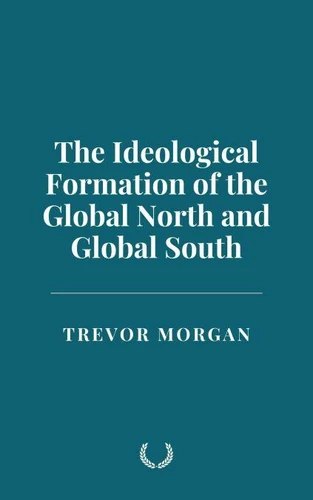
The Ideological Formation of the Global North and Global South
Par :Formats :
Disponible dans votre compte client Decitre ou Furet du Nord dès validation de votre commande. Le format ePub est :
- Compatible avec une lecture sur My Vivlio (smartphone, tablette, ordinateur)
- Compatible avec une lecture sur liseuses Vivlio
- Pour les liseuses autres que Vivlio, vous devez utiliser le logiciel Adobe Digital Edition. Non compatible avec la lecture sur les liseuses Kindle, Remarkable et Sony
 , qui est-ce ?
Notre partenaire de plateforme de lecture numérique où vous retrouverez l'ensemble de vos ebooks gratuitement
Pour en savoir plus sur nos ebooks, consultez notre aide en ligne ici
C'est si simple ! Lisez votre ebook avec l'app Vivlio sur votre tablette, mobile ou ordinateur :

- FormatePub
- ISBN8230585831
- EAN9798230585831
- Date de parution28/01/2025
- Protection num.pas de protection
- Infos supplémentairesepub
- ÉditeurIndependently Published
Résumé
This book explores the complex and enduring relationship between the Global North and South, focusing on the historical, economic, political, and cultural forces that have shaped the divide between these two regions. Beginning with the legacies of colonialism and imperialism, it examines how the Global South, despite achieving political independence, continues to face systemic exploitation, economic dependency, and cultural domination by the Global North.
Through a detailed analysis of key historical events, concepts, and ideas, the book traces the evolution of this global divide, from the early days of colonialism to the rise of neoliberalism, globalization, and the current challenges of climate change and geopolitical shifts. Central to the narrative is the concept of neocolonialism, where formal colonial control has been replaced by economic and political systems that continue to subjugate the Global South.
The book explores the various manifestations of neocolonialism, including the role of multinational corporations, international financial institutions, and the global trade system in maintaining inequality. It also delves into the resistance movements in the Global South, from anti-colonial struggles to contemporary social movements, and examines the intellectual, political, and cultural efforts to reclaim sovereignty and challenge the dominance of the Global North.
In its final chapters, the book turns to the emerging multipolar world and the growing influence of the Global South in shaping global power dynamics. The rise of regional powers like China, India, and Brazil, as well as the continued efforts for South-South solidarity, are highlighted as part of a broader push toward a more just and equitable international system. The book concludes with an exploration of the future of the Global South, focusing on the struggle for economic sovereignty, environmental justice, and political autonomy in a post-globalization era.
This work provides a critical examination of the historical forces that have shaped the relationship between the Global North and South, while also offering insight into the ongoing struggles for justice, sovereignty, and solidarity. It is a call to rethink global power structures and envision a future where the Global South can assert its agency and contribute to the creation of a more just and equitable world order.
Through a detailed analysis of key historical events, concepts, and ideas, the book traces the evolution of this global divide, from the early days of colonialism to the rise of neoliberalism, globalization, and the current challenges of climate change and geopolitical shifts. Central to the narrative is the concept of neocolonialism, where formal colonial control has been replaced by economic and political systems that continue to subjugate the Global South.
The book explores the various manifestations of neocolonialism, including the role of multinational corporations, international financial institutions, and the global trade system in maintaining inequality. It also delves into the resistance movements in the Global South, from anti-colonial struggles to contemporary social movements, and examines the intellectual, political, and cultural efforts to reclaim sovereignty and challenge the dominance of the Global North.
In its final chapters, the book turns to the emerging multipolar world and the growing influence of the Global South in shaping global power dynamics. The rise of regional powers like China, India, and Brazil, as well as the continued efforts for South-South solidarity, are highlighted as part of a broader push toward a more just and equitable international system. The book concludes with an exploration of the future of the Global South, focusing on the struggle for economic sovereignty, environmental justice, and political autonomy in a post-globalization era.
This work provides a critical examination of the historical forces that have shaped the relationship between the Global North and South, while also offering insight into the ongoing struggles for justice, sovereignty, and solidarity. It is a call to rethink global power structures and envision a future where the Global South can assert its agency and contribute to the creation of a more just and equitable world order.