SOLDES
Jusqu'à -70% sur une sélection d'articles*

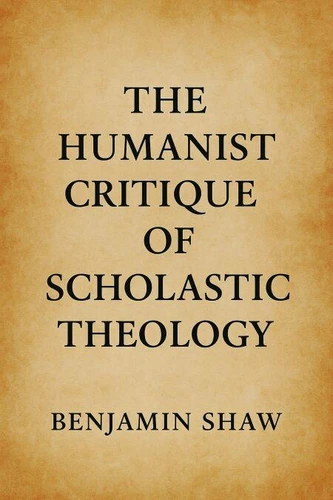
The Humanist Critique of Scholastic Theology
Par :Formats :
Disponible dans votre compte client Decitre ou Furet du Nord dès validation de votre commande. Le format ePub est :
- Compatible avec une lecture sur My Vivlio (smartphone, tablette, ordinateur)
- Compatible avec une lecture sur liseuses Vivlio
- Pour les liseuses autres que Vivlio, vous devez utiliser le logiciel Adobe Digital Edition. Non compatible avec la lecture sur les liseuses Kindle, Remarkable et Sony
 , qui est-ce ?
Notre partenaire de plateforme de lecture numérique où vous retrouverez l'ensemble de vos ebooks gratuitement
Pour en savoir plus sur nos ebooks, consultez notre aide en ligne ici
C'est si simple ! Lisez votre ebook avec l'app Vivlio sur votre tablette, mobile ou ordinateur :

- FormatePub
- ISBN8231467747
- EAN9798231467747
- Date de parution06/08/2025
- Protection num.pas de protection
- Infos supplémentairesepub
- ÉditeurWalzone Press
Résumé
In The Humanist Critique of Scholastic Theology, Benjamin Shaw offers a compelling and richly detailed exploration of one of the most transformative intellectual movements in Western history. This book traces the profound challenge Renaissance humanism posed to the medieval scholastic tradition-a tradition marked by dense dialectical reasoning, reliance on layered commentaries, and an abstract philosophical framework rooted in Aristotelian thought.
Shaw meticulously unpacks how humanist scholars, driven by the rallying cry ad fontes ("to the sources"), sought to reclaim Christian theology by returning directly to Scripture and the writings of the early Church Fathers in their original languages. Through incisive case studies of figures like Lorenzo Valla and Erasmus of Rotterdam, the book reveals how philological precision, textual criticism, and rhetorical clarity undermined scholastic pedantry and opened the door to theological renewal.
Beyond academic critique, Shaw illuminates the wider cultural and intellectual repercussions of this humanist challenge, from reshaping university curricula and igniting the fires of the Reformation to influencing education, politics, literature, and the arts. The book deftly balances scholarly rigor with accessible narrative, offering readers a panoramic view of how humanism's return to authentic sources redefined theology and helped shape modern Western thought.
The Humanist Critique of Scholastic Theology is essential reading for historians, theologians, and anyone fascinated by the interplay of tradition and innovation in the history of ideas. It not only charts a pivotal moment of intellectual upheaval but also reflects on the enduring tensions between authority and inquiry that continue to shape theological discourse today.
Shaw meticulously unpacks how humanist scholars, driven by the rallying cry ad fontes ("to the sources"), sought to reclaim Christian theology by returning directly to Scripture and the writings of the early Church Fathers in their original languages. Through incisive case studies of figures like Lorenzo Valla and Erasmus of Rotterdam, the book reveals how philological precision, textual criticism, and rhetorical clarity undermined scholastic pedantry and opened the door to theological renewal.
Beyond academic critique, Shaw illuminates the wider cultural and intellectual repercussions of this humanist challenge, from reshaping university curricula and igniting the fires of the Reformation to influencing education, politics, literature, and the arts. The book deftly balances scholarly rigor with accessible narrative, offering readers a panoramic view of how humanism's return to authentic sources redefined theology and helped shape modern Western thought.
The Humanist Critique of Scholastic Theology is essential reading for historians, theologians, and anyone fascinated by the interplay of tradition and innovation in the history of ideas. It not only charts a pivotal moment of intellectual upheaval but also reflects on the enduring tensions between authority and inquiry that continue to shape theological discourse today.
A propos de Benjamin Shaw
2,99 €
2,99 €