Between 1850 and 1854 Dostoevsky, imprisoned in the fortress of Omsk, Siberia, served a sentence for political reasons. The four years he spent there, re-created in The House of the Dead, were the most agonizing of his life. The narrating character is a former uxoricide who, after his release from prison, is beset by memories and the need to testify. His memoir thus acquires the urgency of a live reportage, a narrative of formidable expressive power built on the succession of iconic pictures of the prison abyss.
Everything is present in this novel: the daily battle for survival, the wooden plank beds, the cabbage soup swimming with cockroaches, his strange `family' of boastful, ugly, cruel convicts. Yet The House of the Dead is far more than a work of documentary realism: it is also a powerful novel of redemption, describing one man's spiritual and moral death and the miracle of his gradual reawakening.
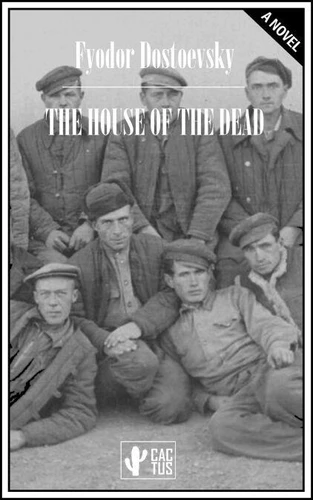
Between 1850 and 1854 Dostoevsky, imprisoned in the fortress of Omsk, Siberia, served a sentence for political reasons. The four years he spent there, re-created in The House of the Dead, were the most agonizing of his life. The narrating character is a former uxoricide who, after his release from prison, is beset by memories and the need to testify. His memoir thus acquires the urgency of a live reportage, a narrative of formidable expressive power built on the succession of iconic pictures of the prison abyss.
Everything is present in this novel: the daily battle for survival, the wooden plank beds, the cabbage soup swimming with cockroaches, his strange `family' of boastful, ugly, cruel convicts. Yet The House of the Dead is far more than a work of documentary realism: it is also a powerful novel of redemption, describing one man's spiritual and moral death and the miracle of his gradual reawakening.


 , qui est-ce ?