
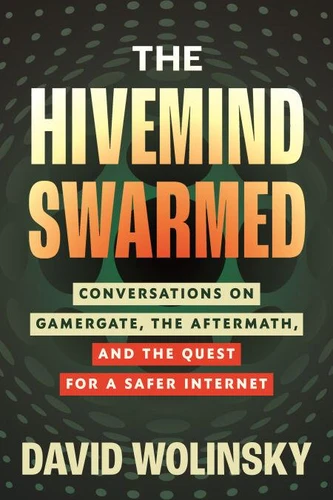
The Hivemind Swarmed. Conversations on Gamergate, the Aftermath, and the Quest for a Safer Internet
Par :Formats :
Disponible dans votre compte client Decitre ou Furet du Nord dès validation de votre commande. Le format ePub protégé est :
- Compatible avec une lecture sur My Vivlio (smartphone, tablette, ordinateur)
- Compatible avec une lecture sur liseuses Vivlio
- Pour les liseuses autres que Vivlio, vous devez utiliser le logiciel Adobe Digital Edition. Non compatible avec la lecture sur les liseuses Kindle, Remarkable et Sony
- Non compatible avec un achat hors France métropolitaine
 , qui est-ce ?
Notre partenaire de plateforme de lecture numérique où vous retrouverez l'ensemble de vos ebooks gratuitement
Pour en savoir plus sur nos ebooks, consultez notre aide en ligne ici
C'est si simple ! Lisez votre ebook avec l'app Vivlio sur votre tablette, mobile ou ordinateur :

- Nombre de pages224
- FormatePub
- ISBN978-0-8070-1772-2
- EAN9780807017722
- Date de parution13/08/2024
- Protection num.Adobe DRM
- Taille755 Ko
- Infos supplémentairesepub
- ÉditeurBeacon Press
Résumé
An incisive oral history that brings together the voices of major figures in gaming, tech, media, and politics to reflect on the long shadow of GamergateWith The Hivemind Swarmed, oral historian and documentary researcher David Wolinsky invites readers to sit in on a series of urgent, intimate conversations between some of the most distinguished voices across entertainment and media as they reflect on the longstanding impact of Gamergate.
What went wrong, and what can we learn from Gamergate to help us build a more equitable online world?The backstory: 10 years ago, a disgruntled software developer named Eron Gjoni posted online to accuse his ex-girlfriend, game developer Zoë Quinn, of sleeping with game critics in exchange for positive reviews. He offered no evidence to back up his claims. However, his posts were picked up by extremists in the gaming community who built a vicious online movement targeting women, minorities, and progressive voices.
Rallying under the hashtag #gamergate, they sent their victims round-the-clock death and rape threats. Game companies, for the most part, declined to take action as their female employees were harassed out of their jobs. The FBI launched an investigation but found "no true threat."Gamergate holds the grim distinction of being the first modern online harassment campaign. It arguably served as a model for the alt-right movement that would help propel Donald Trump to the White House.
And it highlighted a toxic media culture-not just in gaming, but in film, TV, journalism, and more-in which leaders, through their passivity, took the side of the oppressor. Now, ten years later-in the wake of #MeToo, Charlottesville, the Trump years, and the January 6 insurrection-the questions discussed here are more important than ever.
What went wrong, and what can we learn from Gamergate to help us build a more equitable online world?The backstory: 10 years ago, a disgruntled software developer named Eron Gjoni posted online to accuse his ex-girlfriend, game developer Zoë Quinn, of sleeping with game critics in exchange for positive reviews. He offered no evidence to back up his claims. However, his posts were picked up by extremists in the gaming community who built a vicious online movement targeting women, minorities, and progressive voices.
Rallying under the hashtag #gamergate, they sent their victims round-the-clock death and rape threats. Game companies, for the most part, declined to take action as their female employees were harassed out of their jobs. The FBI launched an investigation but found "no true threat."Gamergate holds the grim distinction of being the first modern online harassment campaign. It arguably served as a model for the alt-right movement that would help propel Donald Trump to the White House.
And it highlighted a toxic media culture-not just in gaming, but in film, TV, journalism, and more-in which leaders, through their passivity, took the side of the oppressor. Now, ten years later-in the wake of #MeToo, Charlottesville, the Trump years, and the January 6 insurrection-the questions discussed here are more important than ever.