SOLDES
Jusqu'à -70% sur une sélection d'articles*

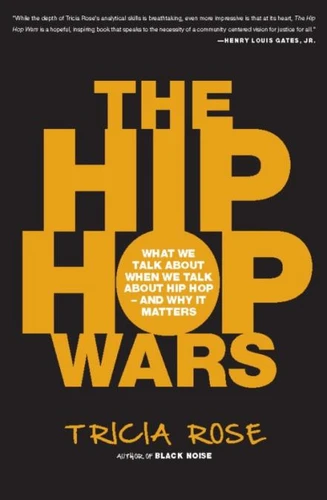
The Hip Hop Wars. What We Talk About When We Talk About Hip Hop--and Why It Matters
Par :Formats :
Disponible dans votre compte client Decitre ou Furet du Nord dès validation de votre commande. Le format ePub protégé est :
- Compatible avec une lecture sur My Vivlio (smartphone, tablette, ordinateur)
- Compatible avec une lecture sur liseuses Vivlio
- Pour les liseuses autres que Vivlio, vous devez utiliser le logiciel Adobe Digital Edition. Non compatible avec la lecture sur les liseuses Kindle, Remarkable et Sony
- Non compatible avec un achat hors France métropolitaine
 , qui est-ce ?
Notre partenaire de plateforme de lecture numérique où vous retrouverez l'ensemble de vos ebooks gratuitement
Pour en savoir plus sur nos ebooks, consultez notre aide en ligne ici
C'est si simple ! Lisez votre ebook avec l'app Vivlio sur votre tablette, mobile ou ordinateur :

- Nombre de pages320
- FormatePub
- ISBN978-0-7867-2719-3
- EAN9780786727193
- Date de parution01/12/2008
- Protection num.Adobe DRM
- Infos supplémentairesepub
- ÉditeurBasic Books
Résumé
How hip hop shapes our conversations about race -- and how race influences our consideration of hip hop Hip hop is a distinctive form of black art in America-from Tupac to the Pulitzer Prize-winning Kendrick Lamar, hip hop has long given voice to the African American experience. As scholar and cultural critic Tricia Rose argues, hip hop, in fact, has become one of the primary ways we talk about race in the United States.
But hip hop is in crisis. For years, the most commercially successful hip hop has become increasingly saturated with caricatures of black gangstas, thugs, pimps, and hos. This both represents and feeds a problem in black American culture. Or does it? In The Hip-Hop Wars, Rose explores the most crucial issues underlying the polarized claims on each side of the debate: Does hip hop cause violence, or merely reflect a violent ghetto culture? Is hip hop sexist, or are its detractors simply anti-sex? Does the portrayal of black culture in hip hop undermine black advancement? A potent exploration of a divisive and important subject, The Hip Hop Wars concludes with a call for the regalvanization of the progressive and creative heart of hip hop.
What Rose calls for is not a sanitized vision of the form, but one that more accurately reflects a much richer space of culture, politics, anger, and yes, sex, than the current ubiquitous images in sound and video currently provide.
But hip hop is in crisis. For years, the most commercially successful hip hop has become increasingly saturated with caricatures of black gangstas, thugs, pimps, and hos. This both represents and feeds a problem in black American culture. Or does it? In The Hip-Hop Wars, Rose explores the most crucial issues underlying the polarized claims on each side of the debate: Does hip hop cause violence, or merely reflect a violent ghetto culture? Is hip hop sexist, or are its detractors simply anti-sex? Does the portrayal of black culture in hip hop undermine black advancement? A potent exploration of a divisive and important subject, The Hip Hop Wars concludes with a call for the regalvanization of the progressive and creative heart of hip hop.
What Rose calls for is not a sanitized vision of the form, but one that more accurately reflects a much richer space of culture, politics, anger, and yes, sex, than the current ubiquitous images in sound and video currently provide.