SOLDES
Jusqu'à -70% sur une sélection d'articles*

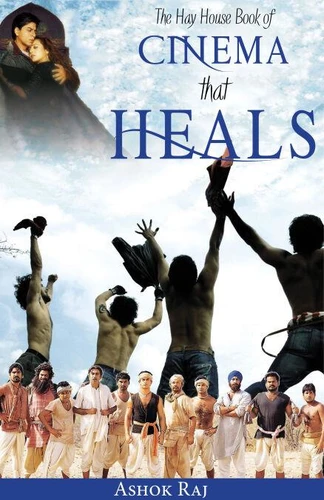
The Hay House Book of Cinema that Heals
Par :Formats :
Disponible dans votre compte client Decitre ou Furet du Nord dès validation de votre commande. Le format ePub protégé est :
- Compatible avec une lecture sur My Vivlio (smartphone, tablette, ordinateur)
- Compatible avec une lecture sur liseuses Vivlio
- Pour les liseuses autres que Vivlio, vous devez utiliser le logiciel Adobe Digital Edition. Non compatible avec la lecture sur les liseuses Kindle, Remarkable et Sony
- Non compatible avec un achat hors France métropolitaine
 , qui est-ce ?
Notre partenaire de plateforme de lecture numérique où vous retrouverez l'ensemble de vos ebooks gratuitement
Pour en savoir plus sur nos ebooks, consultez notre aide en ligne ici
C'est si simple ! Lisez votre ebook avec l'app Vivlio sur votre tablette, mobile ou ordinateur :

- Nombre de pages272
- FormatePub
- ISBN978-93-84544-14-0
- EAN9789384544140
- Date de parution01/02/2014
- Protection num.Adobe DRM
- Taille4 Mo
- Infos supplémentairesepub
- ÉditeurHay House LLC
Résumé
A unique volume that highlights - tellingly and poignantly - how the impact of the Hindi film over the decades has played a significant role in trying to bring together people belonging to different faiths and different strata of society. Covering a vast time span from the silent era to the present, this work focuses on Hindi cinema's attempts at promoting harmony and trust among various religions, communities and ethnic groups, while performing its basic function of entertaining the viewers.
It identifies appropriate situations and characters in select films - such as Padosi (1941), Hum Ek Hain (1946), Mughal-e-Azam (1960), Dharamputra (1961), Amar Akbar Anthony (1977), Ghulam-e-Musthafa (1997), Lagaan (2001) and Veer-Zara (2004) - and describes how positive messages have been articulated through them. It also examines the response of the film makers to the changes that have been taking place over the years in society vis-à-vis the communal milieu in the country and their contribution towards making a cinema that heals.
Ever since its inception a century ago, Indian cinema, far more than other popular cultural medium, has consistently taken up highly appealing and socially relevant interpretations of popular religious beliefs and customs. It has often attempted to ensure that the audiences identified themselves with the characters as they enacted their roles on screen. This cinema, though dominated by love stories and romantic escapism, has, occasionally, sent out a powerful message against age-old religious orthodoxy and outdated traditions by emphasizing that such factors have caused tremendous social tensions and suffering.
In a very significant way, Indian cinema has tried to systematically break down religious and other barriers (say, ethnic, language, caste and class) and has endeavoured to engender an egalitarian society despite numerous obstacles. Here is a work that all readers, film buffs or not, will find stimulating, engrossing and informative.
It identifies appropriate situations and characters in select films - such as Padosi (1941), Hum Ek Hain (1946), Mughal-e-Azam (1960), Dharamputra (1961), Amar Akbar Anthony (1977), Ghulam-e-Musthafa (1997), Lagaan (2001) and Veer-Zara (2004) - and describes how positive messages have been articulated through them. It also examines the response of the film makers to the changes that have been taking place over the years in society vis-à-vis the communal milieu in the country and their contribution towards making a cinema that heals.
Ever since its inception a century ago, Indian cinema, far more than other popular cultural medium, has consistently taken up highly appealing and socially relevant interpretations of popular religious beliefs and customs. It has often attempted to ensure that the audiences identified themselves with the characters as they enacted their roles on screen. This cinema, though dominated by love stories and romantic escapism, has, occasionally, sent out a powerful message against age-old religious orthodoxy and outdated traditions by emphasizing that such factors have caused tremendous social tensions and suffering.
In a very significant way, Indian cinema has tried to systematically break down religious and other barriers (say, ethnic, language, caste and class) and has endeavoured to engender an egalitarian society despite numerous obstacles. Here is a work that all readers, film buffs or not, will find stimulating, engrossing and informative.