SOLDES
Jusqu'à -70% sur une sélection d'articles*

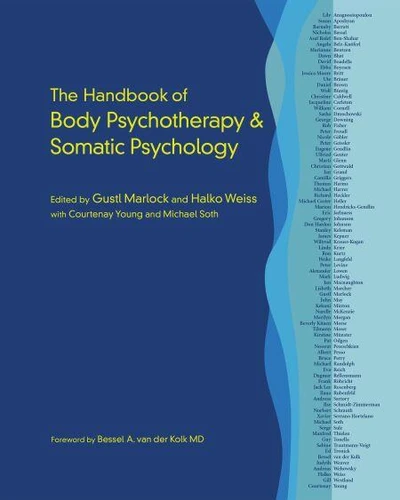
The Handbook of Body Psychotherapy and Somatic Psychology
Par : , , ,Formats :
Disponible dans votre compte client Decitre ou Furet du Nord dès validation de votre commande. Le format ePub protégé est :
- Compatible avec une lecture sur My Vivlio (smartphone, tablette, ordinateur)
- Compatible avec une lecture sur liseuses Vivlio
- Pour les liseuses autres que Vivlio, vous devez utiliser le logiciel Adobe Digital Edition. Non compatible avec la lecture sur les liseuses Kindle, Remarkable et Sony
- Non compatible avec un achat hors France métropolitaine
 , qui est-ce ?
Notre partenaire de plateforme de lecture numérique où vous retrouverez l'ensemble de vos ebooks gratuitement
Pour en savoir plus sur nos ebooks, consultez notre aide en ligne ici
C'est si simple ! Lisez votre ebook avec l'app Vivlio sur votre tablette, mobile ou ordinateur :

- Nombre de pages984
- FormatePub
- ISBN978-1-58394-842-2
- EAN9781583948422
- Date de parution08/12/2015
- Protection num.Adobe DRM
- Taille6 Mo
- Infos supplémentairesepub
- ÉditeurNorth Atlantic Books
Résumé
The Handbook of Body Psychotherapy and Somatic Psychology provides a comprehensive overview of body-centered psychotherapies, which stress the centrality of the body to overcoming psychological distress, trauma, and mental illness. Psychologists and therapists are increasingly incorporating these somatic or body-oriented therapies into their practices, making mind-body connections that enable them to provide better care for their clients.
Designed as a standard text for somatic psychology courses, The Handbook of Body Psychotherapy and Somatic Psychology contains 100 cutting-edge essays and studies by respected professionals from around the world on such topics as the historical roots of Body Psychotherapy; the role of the body in developmental psychology; the therapeutic relationship in Body Psychotherapy; and much more, as well as helpful case studies and essays on the use of Body Psychotherapy for specific disorders.
This anthology will be indispensible for students of clinical and counseling psychology, somatic psychology, and various forms of body-based therapy (including dance and movement therapies), and is also an essential reference work for most practicing psychotherapists, regardless of their therapeutic orientation. Contributors: Gustl Marlock, Halko Weiss, Courtenay Young, Michael Soth, Ulfried Geuter, Judyth O.
Weaver, Wolf E. Büntig, Nicholas Bassal, Michael Coster Heller, Heike Langfeld, Dagmar Rellensmann, Don Hanlon Johnson, Christian Gottwald, Andreas Wehowsky, Gregory J. Johanson, David Boadella, Alexander Lowen, Ian J. Grand, Marilyn Morgan, Stanley Keleman, Eugene T. Gendlin, Marion N. Hendricks-Gendlin, Michael Harrer, Ian J. Grand, Marianne Bentzen, Andreas Sartory, George Downing, Andreas Wehowsky, Marti Glenn, Ed Tronick, Bruce Perry, Susan Aposhyan, Mark Ludwig, Ute-Christiane Bräuer, Ron Kurtz, Christine Caldwell, Albert Pesso, Michael Randolph, William F.
Cornell, Richard A. Heckler, Gill Westland, Lisbeth Marcher, Erik Jarlnaes, Kirstine Münster, Tilmann Moser, Frank Röhricht, Ulfried Geuter, Norbert Schrauth, Ilse Schmidt-Zimmermann, Peter Geissler, Ebba Boyesen, Peter Freudl, James Kepner, Dawn Bhat, Jacqueline Carleton, Ian Macnaughton, Peter A. Levine, Stanley Keleman, Narelle McKenzie, Jack Lee Rosenberg, Beverly Kitaen Morse, Angela Belz-Knöferl, Lily Anagnostopoulou, William F.
Cornell, Guy Tonella, Sasha Dmochowski, Asaf Rolef Ben-Shahar, Jacqueline A. Carleton, Manfred Thielen, Xavier Serrano Hortelano, Pat Ogden, Kekuni Minton, Thomas Harms, Nicole Gäbler, John May, Rob Fisher, Eva R. Reich, Judyth O. Weaver, Barnaby B. Barratt, Sabine Trautmann-Voigt, Wiltrud Krauss-Kogan, Ilana Rubenfeld, Camilla Griggers, Serge K. D. Sulz, Nossrat Peseschkian, Linda H. Krier, Jessica Moore Britt, and Daniel P.
Brown.
Designed as a standard text for somatic psychology courses, The Handbook of Body Psychotherapy and Somatic Psychology contains 100 cutting-edge essays and studies by respected professionals from around the world on such topics as the historical roots of Body Psychotherapy; the role of the body in developmental psychology; the therapeutic relationship in Body Psychotherapy; and much more, as well as helpful case studies and essays on the use of Body Psychotherapy for specific disorders.
This anthology will be indispensible for students of clinical and counseling psychology, somatic psychology, and various forms of body-based therapy (including dance and movement therapies), and is also an essential reference work for most practicing psychotherapists, regardless of their therapeutic orientation. Contributors: Gustl Marlock, Halko Weiss, Courtenay Young, Michael Soth, Ulfried Geuter, Judyth O.
Weaver, Wolf E. Büntig, Nicholas Bassal, Michael Coster Heller, Heike Langfeld, Dagmar Rellensmann, Don Hanlon Johnson, Christian Gottwald, Andreas Wehowsky, Gregory J. Johanson, David Boadella, Alexander Lowen, Ian J. Grand, Marilyn Morgan, Stanley Keleman, Eugene T. Gendlin, Marion N. Hendricks-Gendlin, Michael Harrer, Ian J. Grand, Marianne Bentzen, Andreas Sartory, George Downing, Andreas Wehowsky, Marti Glenn, Ed Tronick, Bruce Perry, Susan Aposhyan, Mark Ludwig, Ute-Christiane Bräuer, Ron Kurtz, Christine Caldwell, Albert Pesso, Michael Randolph, William F.
Cornell, Richard A. Heckler, Gill Westland, Lisbeth Marcher, Erik Jarlnaes, Kirstine Münster, Tilmann Moser, Frank Röhricht, Ulfried Geuter, Norbert Schrauth, Ilse Schmidt-Zimmermann, Peter Geissler, Ebba Boyesen, Peter Freudl, James Kepner, Dawn Bhat, Jacqueline Carleton, Ian Macnaughton, Peter A. Levine, Stanley Keleman, Narelle McKenzie, Jack Lee Rosenberg, Beverly Kitaen Morse, Angela Belz-Knöferl, Lily Anagnostopoulou, William F.
Cornell, Guy Tonella, Sasha Dmochowski, Asaf Rolef Ben-Shahar, Jacqueline A. Carleton, Manfred Thielen, Xavier Serrano Hortelano, Pat Ogden, Kekuni Minton, Thomas Harms, Nicole Gäbler, John May, Rob Fisher, Eva R. Reich, Judyth O. Weaver, Barnaby B. Barratt, Sabine Trautmann-Voigt, Wiltrud Krauss-Kogan, Ilana Rubenfeld, Camilla Griggers, Serge K. D. Sulz, Nossrat Peseschkian, Linda H. Krier, Jessica Moore Britt, and Daniel P.
Brown.