SOLDES
Jusqu'à -70% sur une sélection d'articles*

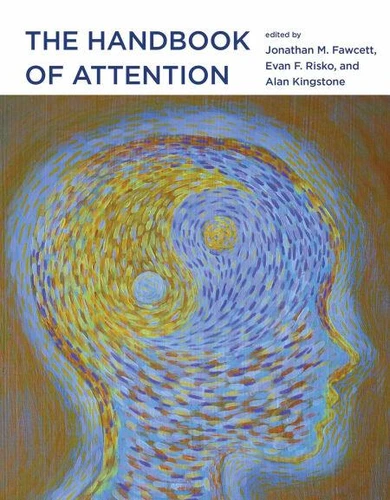
The Handbook of Attention
Par : , ,Formats :
Disponible dans votre compte client Decitre ou Furet du Nord dès validation de votre commande. Le format ePub protégé est :
- Compatible avec une lecture sur My Vivlio (smartphone, tablette, ordinateur)
- Compatible avec une lecture sur liseuses Vivlio
- Pour les liseuses autres que Vivlio, vous devez utiliser le logiciel Adobe Digital Edition. Non compatible avec la lecture sur les liseuses Kindle, Remarkable et Sony
- Non compatible avec un achat hors France métropolitaine
 , qui est-ce ?
Notre partenaire de plateforme de lecture numérique où vous retrouverez l'ensemble de vos ebooks gratuitement
Pour en savoir plus sur nos ebooks, consultez notre aide en ligne ici
C'est si simple ! Lisez votre ebook avec l'app Vivlio sur votre tablette, mobile ou ordinateur :

- Nombre de pages696
- FormatePub
- ISBN978-0-262-33189-0
- EAN9780262331890
- Date de parution27/11/2015
- Protection num.Adobe DRM
- Taille12 Mo
- Infos supplémentairesepub
- ÉditeurThe MIT Press
Résumé
An authoritative overview of current research on human attention, emphasizing the relation between cognitive phenomena observed in the laboratory and in the real world. Laboratory research on human attention has often been conducted under conditions that bear little resemblance to the complexity of our everyday lives. Although this research has yielded interesting discoveries, few scholars have truly connected these findings to natural experiences.
This book bridges the gap between "laboratory and life" by bringing together cutting-edge research using traditional methodologies with research that focuses on attention in everyday contexts. It offers definitive reviews by both established and rising research stars on foundational topics such as visual attention and cognitive control, underrepresented domains such as auditory and temporal attention, and emerging areas of investigation such as mind wandering and embodied attention.
The contributors discuss a range of approaches and methodologies, including psychophysics, mental chronometry, stationary and mobile eye-tracking, and electrophysiological and functional brain imaging. Chapters on everyday attention consider such diverse activities as driving, shopping, reading, multitasking, and playing videogames. All chapters present their topics in the same overall format: historical context, current research, the possible integration of laboratory and real-world approaches, future directions, and key and outstanding issues.
ContributorsRichard A. Abrams, Lewis Baker, Daphne Bavelier, Virginia Best, Adam B. Blake, Paul W. Burgess, Alan D. Castel, Karen Collins, Mike J. Dixon, Sidney K. D'Mello, Julia Föcker, Charles L. Folk, Tom Foulsham, Jonathan A. Fugelsang, Bradley S. Gibson, Matthias S. Gobel, Davood G. Gozli, Arthur C. Graesser, Peter A. Hancock, Kevin A. Harrigan, Simone G. Heideman, Cristy Ho, Roxane J. Itier, Gustav Kuhn, Michael F.
Land, Mallorie Leinenger, Daniel Levin, Steven J. Luck, Gerald Matthews, Daniel Memmert, Stephen Monsell, Meeneley Nazarian, Anna C. Nobre, Andrew M. Olney, Kerri Pickel, Jay Pratt, Keith Rayner, Daniel C. Richardson, Evan F. Risko, Barbara Shinn-Cunningham, Vivian Siu, Jonathan Smallwood, Charles Spence, David Strayer, Pedro Sztybel, Benjamin W. Tatler, Eric T. Taylor, Jeff Templeton, Robert Teszka, Michel Wedel, Blaire J.
Weidler, Lisa Wojtowicz, Jeremy M. Wolfe, Geoffrey F. Woodman
This book bridges the gap between "laboratory and life" by bringing together cutting-edge research using traditional methodologies with research that focuses on attention in everyday contexts. It offers definitive reviews by both established and rising research stars on foundational topics such as visual attention and cognitive control, underrepresented domains such as auditory and temporal attention, and emerging areas of investigation such as mind wandering and embodied attention.
The contributors discuss a range of approaches and methodologies, including psychophysics, mental chronometry, stationary and mobile eye-tracking, and electrophysiological and functional brain imaging. Chapters on everyday attention consider such diverse activities as driving, shopping, reading, multitasking, and playing videogames. All chapters present their topics in the same overall format: historical context, current research, the possible integration of laboratory and real-world approaches, future directions, and key and outstanding issues.
ContributorsRichard A. Abrams, Lewis Baker, Daphne Bavelier, Virginia Best, Adam B. Blake, Paul W. Burgess, Alan D. Castel, Karen Collins, Mike J. Dixon, Sidney K. D'Mello, Julia Föcker, Charles L. Folk, Tom Foulsham, Jonathan A. Fugelsang, Bradley S. Gibson, Matthias S. Gobel, Davood G. Gozli, Arthur C. Graesser, Peter A. Hancock, Kevin A. Harrigan, Simone G. Heideman, Cristy Ho, Roxane J. Itier, Gustav Kuhn, Michael F.
Land, Mallorie Leinenger, Daniel Levin, Steven J. Luck, Gerald Matthews, Daniel Memmert, Stephen Monsell, Meeneley Nazarian, Anna C. Nobre, Andrew M. Olney, Kerri Pickel, Jay Pratt, Keith Rayner, Daniel C. Richardson, Evan F. Risko, Barbara Shinn-Cunningham, Vivian Siu, Jonathan Smallwood, Charles Spence, David Strayer, Pedro Sztybel, Benjamin W. Tatler, Eric T. Taylor, Jeff Templeton, Robert Teszka, Michel Wedel, Blaire J.
Weidler, Lisa Wojtowicz, Jeremy M. Wolfe, Geoffrey F. Woodman