SOLDES
Jusqu'à -70% sur une sélection d'articles*

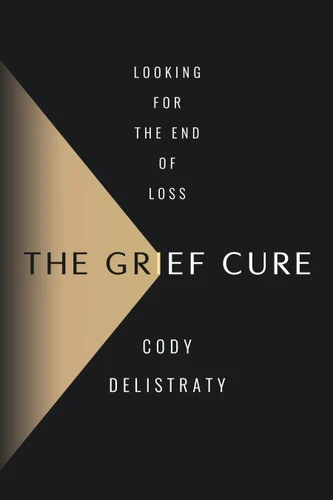
The Grief Cure. Looking for the End of Loss
Par :Formats :
Disponible dans votre compte client Decitre ou Furet du Nord dès validation de votre commande. Le format ePub protégé est :
- Compatible avec une lecture sur My Vivlio (smartphone, tablette, ordinateur)
- Compatible avec une lecture sur liseuses Vivlio
- Pour les liseuses autres que Vivlio, vous devez utiliser le logiciel Adobe Digital Edition. Non compatible avec la lecture sur les liseuses Kindle, Remarkable et Sony
- Non compatible avec un achat hors France métropolitaine
 , qui est-ce ?
Notre partenaire de plateforme de lecture numérique où vous retrouverez l'ensemble de vos ebooks gratuitement
Pour en savoir plus sur nos ebooks, consultez notre aide en ligne ici
C'est si simple ! Lisez votre ebook avec l'app Vivlio sur votre tablette, mobile ou ordinateur :

- Nombre de pages304
- FormatePub
- ISBN978-0-06-325686-6
- EAN9780063256866
- Date de parution25/06/2024
- Protection num.Adobe DRM
- Infos supplémentairesepub
- ÉditeurHarper
Résumé
Longlisted for the PEN/John Kenneth Galbraith Award for Nonfiction "If ever you've experienced grief, or if ever you expect to, you really need to read The Grief Cure. magnificent." -Susan Cain, author of Bittersweet and QuietThe Next Big Idea Club's Must-Read Book of JuneA Bustle Most Anticipated ReadIn this lyrical and moving story of the world of Prolonged Grief, journalist Cody Delistraty reflects on his experience with loss and explores what modern science, history, and literature reveal about the nature of our relationship to grief and our changing attitudes toward its cure.
When Cody Delistraty lost his mother to cancer in his early 20s, he found himself unsure how to move forward. The typical advice was to move through the five stages, achieve closure, get back to work, go back to normal. So begins a journey into the new frontiers of grief, where Delistraty seeks out the researchers, technologists, therapists, marketers, and communities around the world who may be able to cure the pain of loss in novel ways.
From the neuroscience of memory deletion to book prescriptions, laughter therapy, psilocybin, and Breakup Bootcamp, what ultimately emerges is not so much a cure as a fresh understanding of what living with grief truly means. As Delistraty created his own ad hoc treatment plan, the American Psychiatric Association and the World Health Organization gave extended, disruptive grief an official name: Prolonged Grief Disorder.
A diagnosis, based on meeting several symptoms and contingencies, has opened innovative avenues of treatment and an important conversation about a debilitating form of grief, but it has also opened a debate as to whether this form of grief, no matter how severe and unrelenting, is best approached medically at all. Braiding deep, emotional resonance with sharp research and historical insight, Delistraty places his own experience in dialogue with great writers and thinkers throughout history who have puzzled over this eternal question: how might we best face loss?
When Cody Delistraty lost his mother to cancer in his early 20s, he found himself unsure how to move forward. The typical advice was to move through the five stages, achieve closure, get back to work, go back to normal. So begins a journey into the new frontiers of grief, where Delistraty seeks out the researchers, technologists, therapists, marketers, and communities around the world who may be able to cure the pain of loss in novel ways.
From the neuroscience of memory deletion to book prescriptions, laughter therapy, psilocybin, and Breakup Bootcamp, what ultimately emerges is not so much a cure as a fresh understanding of what living with grief truly means. As Delistraty created his own ad hoc treatment plan, the American Psychiatric Association and the World Health Organization gave extended, disruptive grief an official name: Prolonged Grief Disorder.
A diagnosis, based on meeting several symptoms and contingencies, has opened innovative avenues of treatment and an important conversation about a debilitating form of grief, but it has also opened a debate as to whether this form of grief, no matter how severe and unrelenting, is best approached medically at all. Braiding deep, emotional resonance with sharp research and historical insight, Delistraty places his own experience in dialogue with great writers and thinkers throughout history who have puzzled over this eternal question: how might we best face loss?