SOLDES
Jusqu'à -70% sur une sélection d'articles*

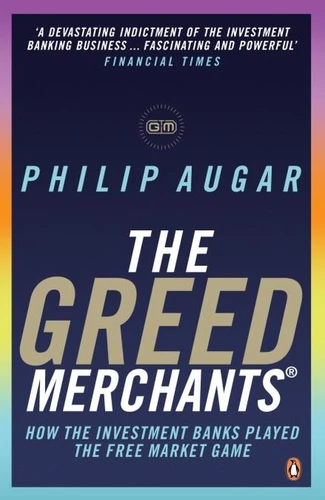
The Greed Merchants
Par :Formats :
Disponible dans votre compte client Decitre ou Furet du Nord dès validation de votre commande. Le format ePub protégé est :
- Compatible avec une lecture sur My Vivlio (smartphone, tablette, ordinateur)
- Compatible avec une lecture sur liseuses Vivlio
- Pour les liseuses autres que Vivlio, vous devez utiliser le logiciel Adobe Digital Edition. Non compatible avec la lecture sur les liseuses Kindle, Remarkable et Sony
- Non compatible avec un achat hors France métropolitaine
 , qui est-ce ?
Notre partenaire de plateforme de lecture numérique où vous retrouverez l'ensemble de vos ebooks gratuitement
Pour en savoir plus sur nos ebooks, consultez notre aide en ligne ici
C'est si simple ! Lisez votre ebook avec l'app Vivlio sur votre tablette, mobile ou ordinateur :

- Nombre de pages256
- FormatePub
- ISBN0-14-190062-8
- EAN9780141900629
- Date de parution25/05/2006
- Protection num.Adobe DRM
- Infos supplémentairesepub
- ÉditeurPENGUIN
Résumé
Early in the new millennium the investment banks were on their knees. Beaten by the boom and bust of the dot.com bubble, mixed up in corporate scandals and accused of uncontrolled and rampant conflict of interest, the game seemed over for the masters of the universe. Then the bounce back came. New rules, promises to be more vigilant and rising markets took the heat off. Having learned their lesson and paid their dues, the investment banks could be relied upon to oil the wheels of capitalism in this best of all possible worlds.
Philip Augar's cutting critique challenges this consensus. By being able to act simultaneously for buyers, sellers and themselves, they can generate huge returns at their customers' expense. This book explains how this systematic and legal transfer of wealth occurs and answers some important questions. Do the investment banks add value through their advice? Is there a cartel? Are there any alternatives? What will happen next?
Philip Augar's cutting critique challenges this consensus. By being able to act simultaneously for buyers, sellers and themselves, they can generate huge returns at their customers' expense. This book explains how this systematic and legal transfer of wealth occurs and answers some important questions. Do the investment banks add value through their advice? Is there a cartel? Are there any alternatives? What will happen next?
A propos de Philip Augar

Reckless Brain Shot
E-book
14,99 €
10,99 €