SOLDES
Jusqu'à -70% sur une sélection d'articles*

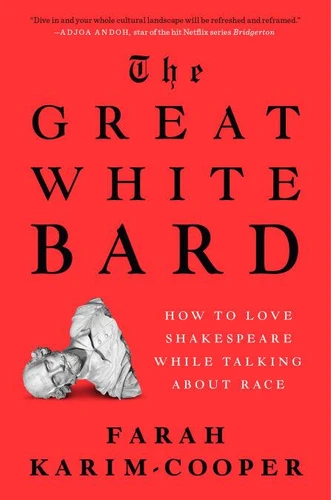
The Great White Bard. How to Love Shakespeare While Talking About Race
Par :Formats :
Disponible dans votre compte client Decitre ou Furet du Nord dès validation de votre commande. Le format ePub protégé est :
- Compatible avec une lecture sur My Vivlio (smartphone, tablette, ordinateur)
- Compatible avec une lecture sur liseuses Vivlio
- Pour les liseuses autres que Vivlio, vous devez utiliser le logiciel Adobe Digital Edition. Non compatible avec la lecture sur les liseuses Kindle, Remarkable et Sony
- Non compatible avec un achat hors France métropolitaine
 , qui est-ce ?
Notre partenaire de plateforme de lecture numérique où vous retrouverez l'ensemble de vos ebooks gratuitement
Pour en savoir plus sur nos ebooks, consultez notre aide en ligne ici
C'est si simple ! Lisez votre ebook avec l'app Vivlio sur votre tablette, mobile ou ordinateur :

- Nombre de pages336
- FormatePub
- ISBN978-0-593-48938-3
- EAN9780593489383
- Date de parution15/08/2023
- Protection num.Adobe DRM
- Taille23 Mo
- Infos supplémentairesepub
- ÉditeurViking
Résumé
CHOSEN AS ONE OF THE BEST BOOKS OF THE YEAR: TIME, NPR, The New Yorker, Kirkus Reviews, Publishers WeeklyAs we witness monuments of white Western history fall, many are asking how is Shakespeare still relevant? Professor Farah Karim-Cooper has dedicated her career to the Bard, which is why she wants to take the playwright down from his pedestal to unveil a Shakespeare for the twenty-first century.
If we persist in reading Shakespeare as representative of only one group, as the very pinnacle of the white Western canon, then he will truly be in peril. Combining piercing analysis of race, gender and otherness in famous plays from Antony and Cleopatra to The Tempest with a radical reappraisal of Elizabethan London, The Great White Bard asks us neither to idealize nor bury Shakespeare but instead to look him in the eye and reckon with the discomforts of his plays, playhouses and society.
In inviting new perspectives and interpretations, we may yet prolong and enrich his extraordinary legacy.
If we persist in reading Shakespeare as representative of only one group, as the very pinnacle of the white Western canon, then he will truly be in peril. Combining piercing analysis of race, gender and otherness in famous plays from Antony and Cleopatra to The Tempest with a radical reappraisal of Elizabethan London, The Great White Bard asks us neither to idealize nor bury Shakespeare but instead to look him in the eye and reckon with the discomforts of his plays, playhouses and society.
In inviting new perspectives and interpretations, we may yet prolong and enrich his extraordinary legacy.