SOLDES
Jusqu'à -70% sur une sélection d'articles*

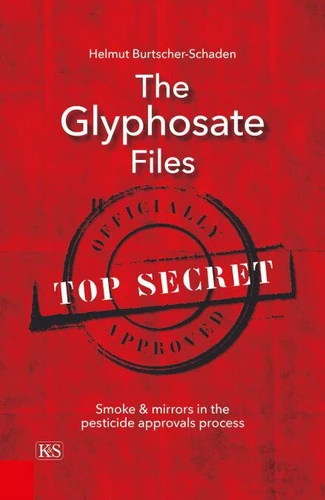
The Glyphosate Files. Smoke & Mirrors in the Pesticide Approvals Process
Par :Formats :
Disponible dans votre compte client Decitre ou Furet du Nord dès validation de votre commande. Le format ePub est :
- Compatible avec une lecture sur My Vivlio (smartphone, tablette, ordinateur)
- Compatible avec une lecture sur liseuses Vivlio
- Pour les liseuses autres que Vivlio, vous devez utiliser le logiciel Adobe Digital Edition. Non compatible avec la lecture sur les liseuses Kindle, Remarkable et Sony
 , qui est-ce ?
Notre partenaire de plateforme de lecture numérique où vous retrouverez l'ensemble de vos ebooks gratuitement
Pour en savoir plus sur nos ebooks, consultez notre aide en ligne ici
C'est si simple ! Lisez votre ebook avec l'app Vivlio sur votre tablette, mobile ou ordinateur :

- Nombre de pages256
- FormatePub
- ISBN978-3-218-01100-6
- EAN9783218011006
- Date de parution26/10/2017
- Protection num.Digital Watermarking
- Taille2 Mo
- Infos supplémentairesepub
- ÉditeurKREMAYR UND SCHERIAU
Résumé
Glyphosate is everywhere. The world's most widely sold pesticide is present in farmland, fields and rivers. We eat it in bread, drink it in beer and carry it in our bodies. No problem, say the authorities responsible for its approval and the manufacturers, the weed killer has been thoroughly examined and is safe. Not true, says the WHO's own cancer research agency which classified the pesticide as a "probable human carcinogen" in 2015.
But if the WHO cancer researchers found "sufficient evidence" of a carcinogenic effect, how could the licensing authorities fail for decades to find "any signs" in the same animal studies? The search for answers leads the author of this investigative and enthralling book into official U. S. archives from the 1970s and 80s, and on to the documents being used in the current European approvals process.
The details of the secret studies by Monsanto & Co. which this research brings to light provide unsettling insights into the entanglements between industry, private testing institutions and the regulatory authorities. They expose a system which allows the chemical manufacturers to downplay the risks of their products. In the end the question remains: do our governments offer greater protection to commercial interests, or to our health?
But if the WHO cancer researchers found "sufficient evidence" of a carcinogenic effect, how could the licensing authorities fail for decades to find "any signs" in the same animal studies? The search for answers leads the author of this investigative and enthralling book into official U. S. archives from the 1970s and 80s, and on to the documents being used in the current European approvals process.
The details of the secret studies by Monsanto & Co. which this research brings to light provide unsettling insights into the entanglements between industry, private testing institutions and the regulatory authorities. They expose a system which allows the chemical manufacturers to downplay the risks of their products. In the end the question remains: do our governments offer greater protection to commercial interests, or to our health?