SOLDES
Jusqu'à -70% sur une sélection d'articles*

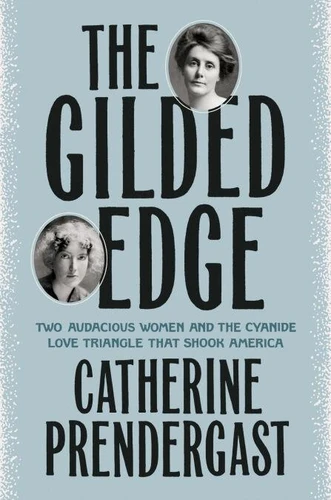
The Gilded Edge. Two Audacious Women and the Cyanide Love Triangle That Shook America
Par :Formats :
Disponible dans votre compte client Decitre ou Furet du Nord dès validation de votre commande. Le format ePub protégé est :
- Compatible avec une lecture sur My Vivlio (smartphone, tablette, ordinateur)
- Compatible avec une lecture sur liseuses Vivlio
- Pour les liseuses autres que Vivlio, vous devez utiliser le logiciel Adobe Digital Edition. Non compatible avec la lecture sur les liseuses Kindle, Remarkable et Sony
- Non compatible avec un achat hors France métropolitaine
 , qui est-ce ?
Notre partenaire de plateforme de lecture numérique où vous retrouverez l'ensemble de vos ebooks gratuitement
Pour en savoir plus sur nos ebooks, consultez notre aide en ligne ici
C'est si simple ! Lisez votre ebook avec l'app Vivlio sur votre tablette, mobile ou ordinateur :

- Nombre de pages352
- FormatePub
- ISBN978-0-593-18294-9
- EAN9780593182949
- Date de parution12/10/2021
- Protection num.Adobe DRM
- Taille14 Mo
- Infos supplémentairesepub
- ÉditeurDutton
Résumé
"The Gilded Edge is a compelling read from start to finish. Gripping, suspenseful, cinematic. This is narrative nonfiction at its best."-Lindsey Fitzharris, bestselling author of The Butchering ArtAstonishingly well written, painstakingly researched, and set in the evocative locations of earthquake-ravaged San Francisco and the Monterey Peninsula, the true story of two women-a wife and a poet-who learn the high price of sexual and artistic freedom in a vivid depiction of the debauchery of the late Gilded Age Nora May French and Carrie Sterling arrive at Carmel-by-the-Sea at the turn of the twentieth century with dramatically different ambitions.
Nora, a stunning, brilliant, impulsive writer in her early twenties, seeks artistic recognition and Bohemian refuge among the most celebrated counterculturalists of the era. Carrie, long-suffering wife of real estate developer George Sterling, wants the opposite: a semblance of the stability she thought her advantageous marriage would offer, threatened now that her philandering husband has taken to writing poetry.
After her second abortion, Nora finds herself in a desperate situation but is rescued by an invitation to stay with the Sterlings. To Carrie's dismay, George and the arrestingly beautiful poetess fall instantly into an affair. The ensuing love triangle, which ultimately ends with the deaths of all three, is more than just a wild love story and a fascinating forgotten chapter. It questions why Nora May-in her day a revered poet whose nationally reported suicide gruesomely inspired youths across the country to take their own lives, with her verses in their pockets no less-has been rendered obscure by literary history.
It depicts America at a turning point, as the Gilded Age groans in its death throes and young people, particularly women, look toward a brighter, more egalitarian future. In an unfortunately familiar development, this vision proves to be a mirage. But women's rage at the scam redefines American progressivism forever. For readers of Nathalia Holt, Denise Kiernan, and Sonia Purnell, this shocking history with a feminist bite is not to be missed.
Nora, a stunning, brilliant, impulsive writer in her early twenties, seeks artistic recognition and Bohemian refuge among the most celebrated counterculturalists of the era. Carrie, long-suffering wife of real estate developer George Sterling, wants the opposite: a semblance of the stability she thought her advantageous marriage would offer, threatened now that her philandering husband has taken to writing poetry.
After her second abortion, Nora finds herself in a desperate situation but is rescued by an invitation to stay with the Sterlings. To Carrie's dismay, George and the arrestingly beautiful poetess fall instantly into an affair. The ensuing love triangle, which ultimately ends with the deaths of all three, is more than just a wild love story and a fascinating forgotten chapter. It questions why Nora May-in her day a revered poet whose nationally reported suicide gruesomely inspired youths across the country to take their own lives, with her verses in their pockets no less-has been rendered obscure by literary history.
It depicts America at a turning point, as the Gilded Age groans in its death throes and young people, particularly women, look toward a brighter, more egalitarian future. In an unfortunately familiar development, this vision proves to be a mirage. But women's rage at the scam redefines American progressivism forever. For readers of Nathalia Holt, Denise Kiernan, and Sonia Purnell, this shocking history with a feminist bite is not to be missed.