
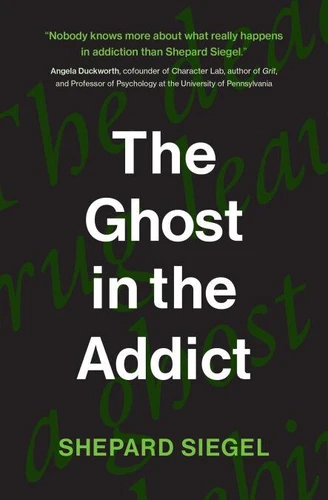
The Ghost in the Addict
Par :Formats :
Disponible dans votre compte client Decitre ou Furet du Nord dès validation de votre commande. Le format ePub protégé est :
- Compatible avec une lecture sur My Vivlio (smartphone, tablette, ordinateur)
- Compatible avec une lecture sur liseuses Vivlio
- Pour les liseuses autres que Vivlio, vous devez utiliser le logiciel Adobe Digital Edition. Non compatible avec la lecture sur les liseuses Kindle, Remarkable et Sony
- Non compatible avec un achat hors France métropolitaine
 , qui est-ce ?
Notre partenaire de plateforme de lecture numérique où vous retrouverez l'ensemble de vos ebooks gratuitement
Pour en savoir plus sur nos ebooks, consultez notre aide en ligne ici
C'est si simple ! Lisez votre ebook avec l'app Vivlio sur votre tablette, mobile ou ordinateur :

- Nombre de pages192
- FormatePub
- ISBN978-0-262-37850-5
- EAN9780262378505
- Date de parution05/03/2024
- Protection num.Adobe DRM
- Taille221 Ko
- Infos supplémentairesepub
- ÉditeurThe MIT Press
Résumé
How withdrawal distress and cravings can haunt current and former addicts, and what they can teach us about addiction and its treatments."The dead drug leaves a ghost behind. At certain hours it haunts the house, " Jean Cocteau once wrote. In The Ghost in the Addict, Shepard Siegel offers a Pavlovian analysis of drug use. Chronic drug use, he explains, conditions users to have an anticipatory homeostatic correction, which protects the addict from overdose.
This drug-preparatory response, elicited by drug-paired cues, is often mislabeled a "withdrawal response." The withdrawal response, however, is not due to the baneful effects of previous drug administrations; rather, it is due to the body's preparation for the next drug administration-a preparatory response that can haunt addicts like a ghost long after they have conquered their usage. Examining the failure of legislation, the circumstances of overdose, and the cues that promote drug use, Siegel seeks to counter the widespread belief that addiction is evidence of a pathology.
Instead, he proposes that the addict has an adaptive, learned response to the physiological changes wrought by drug use. It is only through understanding so-called withdrawal symptoms as a Pavlovian response, he explains, that we can begin to understand why addicts experience cravings long after their last drug use.
This drug-preparatory response, elicited by drug-paired cues, is often mislabeled a "withdrawal response." The withdrawal response, however, is not due to the baneful effects of previous drug administrations; rather, it is due to the body's preparation for the next drug administration-a preparatory response that can haunt addicts like a ghost long after they have conquered their usage. Examining the failure of legislation, the circumstances of overdose, and the cues that promote drug use, Siegel seeks to counter the widespread belief that addiction is evidence of a pathology.
Instead, he proposes that the addict has an adaptive, learned response to the physiological changes wrought by drug use. It is only through understanding so-called withdrawal symptoms as a Pavlovian response, he explains, that we can begin to understand why addicts experience cravings long after their last drug use.