SOLDES
Jusqu'à -70% sur une sélection d'articles*

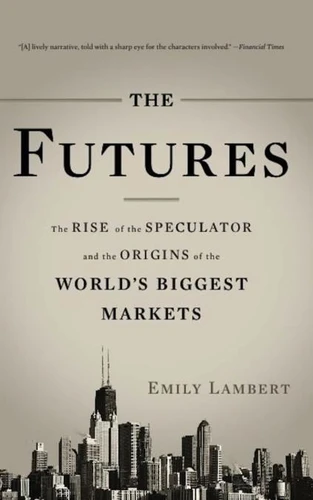
The Futures. The Rise of the Speculator and the Origins of the World's Biggest Markets
Par :Formats :
Disponible dans votre compte client Decitre ou Furet du Nord dès validation de votre commande. Le format ePub protégé est :
- Compatible avec une lecture sur My Vivlio (smartphone, tablette, ordinateur)
- Compatible avec une lecture sur liseuses Vivlio
- Pour les liseuses autres que Vivlio, vous devez utiliser le logiciel Adobe Digital Edition. Non compatible avec la lecture sur les liseuses Kindle, Remarkable et Sony
- Non compatible avec un achat hors France métropolitaine
 , qui est-ce ?
Notre partenaire de plateforme de lecture numérique où vous retrouverez l'ensemble de vos ebooks gratuitement
Pour en savoir plus sur nos ebooks, consultez notre aide en ligne ici
C'est si simple ! Lisez votre ebook avec l'app Vivlio sur votre tablette, mobile ou ordinateur :

- Nombre de pages256
- FormatePub
- ISBN978-0-465-02297-7
- EAN9780465022977
- Date de parution27/12/2010
- Protection num.Adobe DRM
- Infos supplémentairesepub
- ÉditeurBasic Books
Résumé
In The Futures, Emily Lambert, senior writer at Forbes magazine, tells us the rich and dramatic history of the Chicago Mercantile Exchange and Chicago Board of Trade, which together comprised the original, most bustling futures market in the world. She details the emergence of the futures business as a kind of meeting place for gamblers and farmers and its subsequent transformation into a sophisticated electronic market where contracts are traded at lightning-fast speeds.
Lambert also details the disastrous effects of Wall Street's adoption of the futures contract without the rules and close-knit social bonds that had made trading it in Chicago work so well. Ultimately Lambert argues that the futures markets are the real "free" markets and that speculators, far from being mere parasites, can serve a vital economic and social function given the right architecture. The traditional futures market, she explains, because of its written and cultural limits, can serve as a useful example for how markets ought to work and become a tonic for our current financial ills.
Lambert also details the disastrous effects of Wall Street's adoption of the futures contract without the rules and close-knit social bonds that had made trading it in Chicago work so well. Ultimately Lambert argues that the futures markets are the real "free" markets and that speculators, far from being mere parasites, can serve a vital economic and social function given the right architecture. The traditional futures market, she explains, because of its written and cultural limits, can serve as a useful example for how markets ought to work and become a tonic for our current financial ills.