SOLDES
Jusqu'à -70% sur une sélection d'articles*

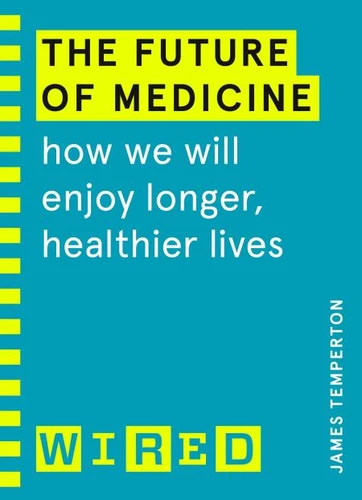
The Future of Medicine (WIRED guides). How We Will Enjoy Longer, Healthier Lives
Par :Formats :
Disponible dans votre compte client Decitre ou Furet du Nord dès validation de votre commande. Le format ePub protégé est :
- Compatible avec une lecture sur My Vivlio (smartphone, tablette, ordinateur)
- Compatible avec une lecture sur liseuses Vivlio
- Pour les liseuses autres que Vivlio, vous devez utiliser le logiciel Adobe Digital Edition. Non compatible avec la lecture sur les liseuses Kindle, Remarkable et Sony
- Non compatible avec un achat hors France métropolitaine
 , qui est-ce ?
Notre partenaire de plateforme de lecture numérique où vous retrouverez l'ensemble de vos ebooks gratuitement
Pour en savoir plus sur nos ebooks, consultez notre aide en ligne ici
C'est si simple ! Lisez votre ebook avec l'app Vivlio sur votre tablette, mobile ou ordinateur :

- Nombre de pages144
- FormatePub
- ISBN978-1-4735-8563-8
- EAN9781473585638
- Date de parution25/03/2021
- Protection num.Adobe DRM
- Infos supplémentairesepub
- ÉditeurCornerstone Digital
Résumé
By the end of this century, living beyond 100 will be the rule rather than the exception. What medical breakthroughs and new technologies will make this possible?In this brilliantly wide-ranging, one-stop guide WIRED journalist James Temperton outlines the medical revolutions that are transforming healthcare. He looks at the burgeoning immune therapies that could one day cure such life-threatening diseases as cancer.
He explores the science - and ethics - of genetic engineering and its potential to create 'designer babies'. He considers the role that cutting-edge medical research could play in the treatment of mental and neurological disorders ranging from depression to autism. And he addresses the fundamental question: could medical technology become so sophisticated that we witness the end of ageing?
He explores the science - and ethics - of genetic engineering and its potential to create 'designer babies'. He considers the role that cutting-edge medical research could play in the treatment of mental and neurological disorders ranging from depression to autism. And he addresses the fundamental question: could medical technology become so sophisticated that we witness the end of ageing?