SOLDES
Jusqu'à -70% sur une sélection d'articles*

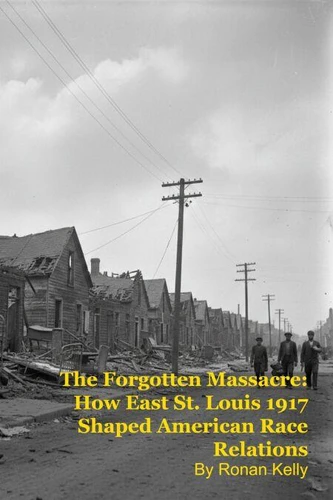
The Forgotten Massacre: How East St. Louis 1917 Shaped American Race Relations
Par :Formats :
Disponible dans votre compte client Decitre ou Furet du Nord dès validation de votre commande. Le format ePub est :
- Compatible avec une lecture sur My Vivlio (smartphone, tablette, ordinateur)
- Compatible avec une lecture sur liseuses Vivlio
- Pour les liseuses autres que Vivlio, vous devez utiliser le logiciel Adobe Digital Edition. Non compatible avec la lecture sur les liseuses Kindle, Remarkable et Sony
 , qui est-ce ?
Notre partenaire de plateforme de lecture numérique où vous retrouverez l'ensemble de vos ebooks gratuitement
Pour en savoir plus sur nos ebooks, consultez notre aide en ligne ici
C'est si simple ! Lisez votre ebook avec l'app Vivlio sur votre tablette, mobile ou ordinateur :

- FormatePub
- ISBN8231145300
- EAN9798231145300
- Date de parution08/02/2026
- Protection num.pas de protection
- Infos supplémentairesepub
- ÉditeurWalzone Press
Résumé
The Forgotten Massacre: How East St. Louis 1917 Shaped American Race RelationsThe East St. Louis Massacre of 1917 stands as one of America's worst episodes of racial violence, yet it remains largely unknown. This comprehensive historical account examines how industrial capitalism, political manipulation, and white supremacy converged to produce days of terror that killed hundreds of African Americans and destroyed an entire community.
Drawing on congressional testimony, survivor accounts, and modern economic analysis, this book traces the massacre from its roots in the Great Migration through its century-long aftermath. It reveals how industrialists weaponized Black labor against white unions, how Democratic politicians spread conspiracy theories about "Negro colonization, " and how the violence that erupted in July 1917 was facilitated by police and National Guard troops who either participated in the killing or stood aside while mobs burned homes and murdered residents.
The book follows the legal persecution of community leader Dr. Leroy Bundy, documents the birth of modern civil rights protest through the NAACP's Silent Parade, and explores how the massacre propelled Marcus Garvey onto the national stage. It concludes by examining the massacre's devastating long-term impact, including the destruction of Black wealth, the collapse of East St. Louis into urban ruin, and the ongoing struggle by descendants seeking recognition and reparations for crimes that echo across generations.
Drawing on congressional testimony, survivor accounts, and modern economic analysis, this book traces the massacre from its roots in the Great Migration through its century-long aftermath. It reveals how industrialists weaponized Black labor against white unions, how Democratic politicians spread conspiracy theories about "Negro colonization, " and how the violence that erupted in July 1917 was facilitated by police and National Guard troops who either participated in the killing or stood aside while mobs burned homes and murdered residents.
The book follows the legal persecution of community leader Dr. Leroy Bundy, documents the birth of modern civil rights protest through the NAACP's Silent Parade, and explores how the massacre propelled Marcus Garvey onto the national stage. It concludes by examining the massacre's devastating long-term impact, including the destruction of Black wealth, the collapse of East St. Louis into urban ruin, and the ongoing struggle by descendants seeking recognition and reparations for crimes that echo across generations.