SOLDES
Jusqu'à -70% sur une sélection d'articles*

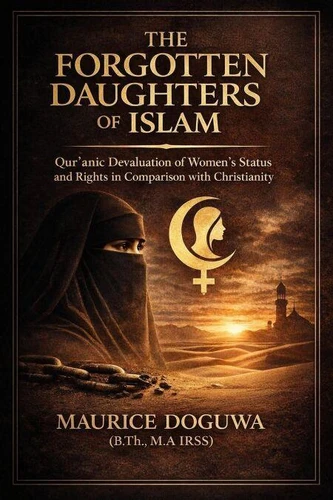
The Forgotten Daughters of Islam
Par :Formats :
Disponible dans votre compte client Decitre ou Furet du Nord dès validation de votre commande. Le format ePub est :
- Compatible avec une lecture sur My Vivlio (smartphone, tablette, ordinateur)
- Compatible avec une lecture sur liseuses Vivlio
- Pour les liseuses autres que Vivlio, vous devez utiliser le logiciel Adobe Digital Edition. Non compatible avec la lecture sur les liseuses Kindle, Remarkable et Sony
 , qui est-ce ?
Notre partenaire de plateforme de lecture numérique où vous retrouverez l'ensemble de vos ebooks gratuitement
Pour en savoir plus sur nos ebooks, consultez notre aide en ligne ici
C'est si simple ! Lisez votre ebook avec l'app Vivlio sur votre tablette, mobile ou ordinateur :

- FormatePub
- ISBN8233721892
- EAN9798233721892
- Date de parution15/02/2026
- Protection num.pas de protection
- Infos supplémentairesepub
- ÉditeurLinda Balsamo
Résumé
The Forgotten Daughters of Islam takes a careful, text-driven look at the place of women in Islamic theology and law. Rather than accepting the common claim that inequality is merely cultural or the result of misinterpretation, Maurice Doguwa goes directly to Islam's foundational sources, the Qur'an, widely accepted hadith, and classical jurisprudence. His conclusion is a challenging one: the subordination of women is not an accident of history, but something rooted in doctrine itself.
Moving through issues such as guardianship, inheritance, sexuality, worship, and salvation, the book shows how beliefs shape laws, and how those laws, in turn, shape the everyday lives of women. By setting Islamic teachings alongside Christian theology, Doguwa invites readers to confront an uncomfortable but necessary question: does inequality exist in spite of religious doctrine, or because of it?This work is not an attack on individual believers.
Instead, it is a serious moral and theological examination of ideas that claim divine authority and the real human consequences that flow from them. Clear-eyed, disciplined, and unapologetically honest, The Forgotten Daughters of Islam is an essential read for anyone concerned with faith, justice, and the pursuit of truth.
Moving through issues such as guardianship, inheritance, sexuality, worship, and salvation, the book shows how beliefs shape laws, and how those laws, in turn, shape the everyday lives of women. By setting Islamic teachings alongside Christian theology, Doguwa invites readers to confront an uncomfortable but necessary question: does inequality exist in spite of religious doctrine, or because of it?This work is not an attack on individual believers.
Instead, it is a serious moral and theological examination of ideas that claim divine authority and the real human consequences that flow from them. Clear-eyed, disciplined, and unapologetically honest, The Forgotten Daughters of Islam is an essential read for anyone concerned with faith, justice, and the pursuit of truth.
A propos de Maurice Doguwa
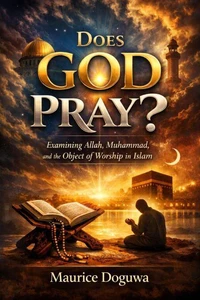
Does God Pray?
E-book
8,49 €
8,49 €