SOLDES
Jusqu'à -70% sur une sélection d'articles*

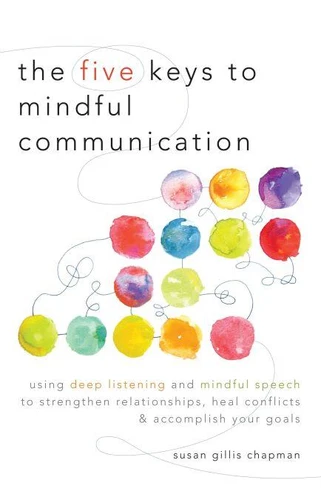
The Five Keys to Mindful Communication. Using Deep Listening and Mindful Speech to Strengthen Relationships, Heal Conflicts, and Accomplish Your Goals
Par :Formats :
Disponible dans votre compte client Decitre ou Furet du Nord dès validation de votre commande. Le format ePub protégé est :
- Compatible avec une lecture sur My Vivlio (smartphone, tablette, ordinateur)
- Compatible avec une lecture sur liseuses Vivlio
- Pour les liseuses autres que Vivlio, vous devez utiliser le logiciel Adobe Digital Edition. Non compatible avec la lecture sur les liseuses Kindle, Remarkable et Sony
- Non compatible avec un achat hors France métropolitaine
 , qui est-ce ?
Notre partenaire de plateforme de lecture numérique où vous retrouverez l'ensemble de vos ebooks gratuitement
Pour en savoir plus sur nos ebooks, consultez notre aide en ligne ici
C'est si simple ! Lisez votre ebook avec l'app Vivlio sur votre tablette, mobile ou ordinateur :

- Nombre de pages224
- FormatePub
- ISBN978-0-8348-2779-0
- EAN9780834827790
- Date de parution10/04/2012
- Protection num.Adobe DRM
- Taille344 Ko
- Infos supplémentairesepub
- ÉditeurShambhala
Résumé
Good communiation is essential to any healthy relationship, whether it's between spouses, family members, friends, or co-workers. In this book Susan Chapman, a marriage and family therapist and a longtime meditation teacher, explains how mindfulness can be brought to bear in the way we speak and listen to each other so that we can strengthen our connections and better accomplish our goals. Drawing on Buddhist principles and on her training as a psychotherapist, Chapman explains how the practice of mindfulness-learning to become fully present in the moment-makes it possible for us to listen more deeply to others and to develop greater clarity and confidence about how to respond.
Chapman highlights five key elements of mindful communication: silence, mirroring, encouraging, discerning, and responding, and she dedicates a chapter of the book to each. Other topics include identifying your communication patterns and habits; uncovering the hidden fears that often sabotage communication; staying open in the midst of difficult conversations so that we can respond wisely and skillfully; and learning how mindful communication can help us to become more truthful, compassionate, and flexible in our relationships.
Chapman highlights five key elements of mindful communication: silence, mirroring, encouraging, discerning, and responding, and she dedicates a chapter of the book to each. Other topics include identifying your communication patterns and habits; uncovering the hidden fears that often sabotage communication; staying open in the midst of difficult conversations so that we can respond wisely and skillfully; and learning how mindful communication can help us to become more truthful, compassionate, and flexible in our relationships.