SOLDES
Jusqu'à -70% sur une sélection d'articles*

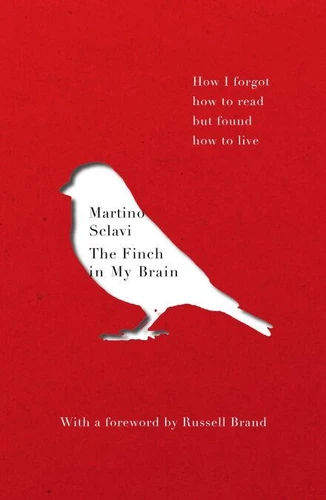
The Finch in My Brain. How I forgot how to read but found how to live
Par :Formats :
Disponible dans votre compte client Decitre ou Furet du Nord dès validation de votre commande. Le format ePub protégé est :
- Compatible avec une lecture sur My Vivlio (smartphone, tablette, ordinateur)
- Compatible avec une lecture sur liseuses Vivlio
- Pour les liseuses autres que Vivlio, vous devez utiliser le logiciel Adobe Digital Edition. Non compatible avec la lecture sur les liseuses Kindle, Remarkable et Sony
- Non compatible avec un achat hors France métropolitaine
 , qui est-ce ?
Notre partenaire de plateforme de lecture numérique où vous retrouverez l'ensemble de vos ebooks gratuitement
Pour en savoir plus sur nos ebooks, consultez notre aide en ligne ici
C'est si simple ! Lisez votre ebook avec l'app Vivlio sur votre tablette, mobile ou ordinateur :

- Nombre de pages320
- FormatePub
- ISBN978-1-4736-4973-6
- EAN9781473649736
- Date de parution14/06/2017
- Protection num.Adobe DRM
- Infos supplémentairesepub
- ÉditeurHodder & Stoughton
Résumé
'Whenever I see Martino I am reminded of how little I know about life and death compared to him. How we don't know what is within us or what may lie on the other side. I hope it's as magical and beautiful as this book.' --Russell BrandWhen film producer Martino Sclavi began experiencing intense headaches, he attributed them to his frenetic lifestyle. As it turned out, he had grade 4 brain cancer and was given 18 months to live.
After undergoing brain surgery - while awake - Martino found he had lost the ability to recognise words. His response was to close his eyes and begin to move his fingers across the keyboard to write this, an account of life before diagnosis and since. Defying all predictions Martino is still very much alive, words read out to him by the monotone of a computerised voice he calls Alex. But he must now live in a new way.
This book - that he has written but cannot read - charts the effects of his experience: on his relationship with his young son, his marriage, his work and with himself. In the wake of his illness, everything must be reconfigured and Martino is made to question the habits, dreams and beliefs of his old life and confront the present. What he finds is strange and beautiful. Searching for the words between life and death, Sclavi shows that with determination and a subtle, persistent sense of humour, it is possible to change the story of our lives.
After undergoing brain surgery - while awake - Martino found he had lost the ability to recognise words. His response was to close his eyes and begin to move his fingers across the keyboard to write this, an account of life before diagnosis and since. Defying all predictions Martino is still very much alive, words read out to him by the monotone of a computerised voice he calls Alex. But he must now live in a new way.
This book - that he has written but cannot read - charts the effects of his experience: on his relationship with his young son, his marriage, his work and with himself. In the wake of his illness, everything must be reconfigured and Martino is made to question the habits, dreams and beliefs of his old life and confront the present. What he finds is strange and beautiful. Searching for the words between life and death, Sclavi shows that with determination and a subtle, persistent sense of humour, it is possible to change the story of our lives.