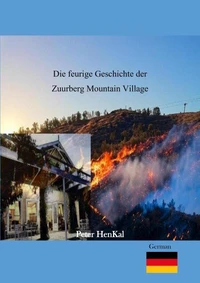
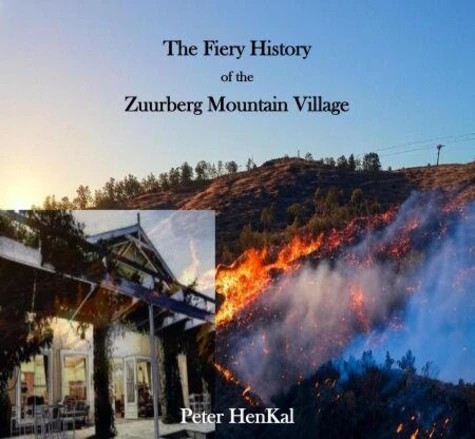
The Fiery History of the Zuurberg Mountain Village, situated in the Greater Addo Elephant National Park, provides a brief background on the colonization of the Cape, the importation of slaves, and the displacement and subjugation of the indigenous Khoisan people. The natural geological division formed by the coastal Cape Fold Belt Mountain range, stretching from the Cederberg in the Western Cape to the Drakensberg in Natal, divided the exploration of the interior between the Dutch Trekboers (nomadic farmers) and mainly British coastal settlers arriving by sea.
The Eastern Cape, from Algoa Bay to Graaf-Reinet in the interior, became the battleground of a 100-year war involving the Boers, the settlers, the advancing Xhosa tribes from the north, and the displaced indigenous people of the area. The Zuurberg Mountain Village, perched high on the Zuurberg Mountain Pass, which connected Algoa Bay with Somerset East, the Kimberley Diamond Mines, and the goldfields of the Witwatersrand, became a popular stopover point dating back to before 1850.
Today, the over 175-year-old inn traces its changing ownership back to before 1861, when it was granted its first liquor license as a hotel. Raging bush fires destroyed the accommodation buildings at least nine times in that period, miraculously sparing the original main building now the reception and restaurant.
The Fiery History of the Zuurberg Mountain Village, situated in the Greater Addo Elephant National Park, provides a brief background on the colonization of the Cape, the importation of slaves, and the displacement and subjugation of the indigenous Khoisan people. The natural geological division formed by the coastal Cape Fold Belt Mountain range, stretching from the Cederberg in the Western Cape to the Drakensberg in Natal, divided the exploration of the interior between the Dutch Trekboers (nomadic farmers) and mainly British coastal settlers arriving by sea.
The Eastern Cape, from Algoa Bay to Graaf-Reinet in the interior, became the battleground of a 100-year war involving the Boers, the settlers, the advancing Xhosa tribes from the north, and the displaced indigenous people of the area. The Zuurberg Mountain Village, perched high on the Zuurberg Mountain Pass, which connected Algoa Bay with Somerset East, the Kimberley Diamond Mines, and the goldfields of the Witwatersrand, became a popular stopover point dating back to before 1850.
Today, the over 175-year-old inn traces its changing ownership back to before 1861, when it was granted its first liquor license as a hotel. Raging bush fires destroyed the accommodation buildings at least nine times in that period, miraculously sparing the original main building now the reception and restaurant.

 , qui est-ce ?