SOLDES
Jusqu'à -70% sur une sélection d'articles*

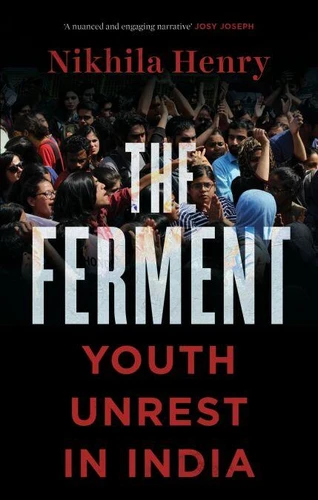
The Ferment: Youth Unrest in India
Par :Formats :
Disponible dans votre compte client Decitre ou Furet du Nord dès validation de votre commande. Le format ePub protégé est :
- Compatible avec une lecture sur My Vivlio (smartphone, tablette, ordinateur)
- Compatible avec une lecture sur liseuses Vivlio
- Pour les liseuses autres que Vivlio, vous devez utiliser le logiciel Adobe Digital Edition. Non compatible avec la lecture sur les liseuses Kindle, Remarkable et Sony
- Non compatible avec un achat hors France métropolitaine
 , qui est-ce ?
Notre partenaire de plateforme de lecture numérique où vous retrouverez l'ensemble de vos ebooks gratuitement
Pour en savoir plus sur nos ebooks, consultez notre aide en ligne ici
C'est si simple ! Lisez votre ebook avec l'app Vivlio sur votre tablette, mobile ou ordinateur :

- Nombre de pages100
- FormatePub
- ISBN978-1-5290-1662-8
- EAN9781529016628
- Date de parution04/10/2018
- Protection num.Adobe DRM
- Infos supplémentairesepub
- ÉditeurPan Macmillan India
Résumé
'From JNU to Jadavpur, anti-national movement spreads!'-Zee News'Activism or anti-nationalism?'-Times Now'Dalit students on warpath after Vemula suicide' -First Post'Violence on Ramjas campus: no room for free, peaceful political debate'-NDTV'Kashmir University students protest anti-free speech circular'-QuintThese are but a tiny sample of headlines that have become commonplace in India in recent years.
What is it about the present moment in the life of our nation that has stirred so many thousands of young citizens into political action? And what is it about the nature of their protests that is threatening enough for the establishment to brand it 'anti-national'? The wave of youth protests, agitations, and marches that gripped India in the last few years were not, Nikhila Henry argues, sporadic, isolated, or piecemeal.
Rather, they were an organized effort against a fractured, unforgiving, and deeply discriminatory society. The participants, despite differences, often found convergence and empathy for each other, and fought larger battles: battles of the Dalit, of the Adivasi, of the Kashmiri, of the Women, of the Muslim. In so doing, it was not simply entrenched discrimination they highlighted. In so doing, they questioned fundamental ideas of public morality and the very essence that makes us a united nation.
What is it about the present moment in the life of our nation that has stirred so many thousands of young citizens into political action? And what is it about the nature of their protests that is threatening enough for the establishment to brand it 'anti-national'? The wave of youth protests, agitations, and marches that gripped India in the last few years were not, Nikhila Henry argues, sporadic, isolated, or piecemeal.
Rather, they were an organized effort against a fractured, unforgiving, and deeply discriminatory society. The participants, despite differences, often found convergence and empathy for each other, and fought larger battles: battles of the Dalit, of the Adivasi, of the Kashmiri, of the Women, of the Muslim. In so doing, it was not simply entrenched discrimination they highlighted. In so doing, they questioned fundamental ideas of public morality and the very essence that makes us a united nation.