SOLDES
Jusqu'à -70% sur une sélection d'articles*

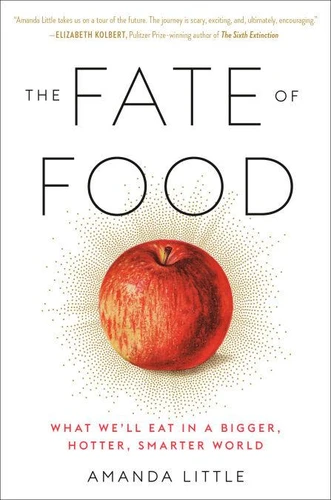
The Fate of Food. What We'll Eat in a Bigger, Hotter, Smarter World
Par :Formats :
Disponible dans votre compte client Decitre ou Furet du Nord dès validation de votre commande. Le format ePub protégé est :
- Compatible avec une lecture sur My Vivlio (smartphone, tablette, ordinateur)
- Compatible avec une lecture sur liseuses Vivlio
- Pour les liseuses autres que Vivlio, vous devez utiliser le logiciel Adobe Digital Edition. Non compatible avec la lecture sur les liseuses Kindle, Remarkable et Sony
- Non compatible avec un achat hors France métropolitaine
 , qui est-ce ?
Notre partenaire de plateforme de lecture numérique où vous retrouverez l'ensemble de vos ebooks gratuitement
Pour en savoir plus sur nos ebooks, consultez notre aide en ligne ici
C'est si simple ! Lisez votre ebook avec l'app Vivlio sur votre tablette, mobile ou ordinateur :

- Nombre de pages368
- FormatePub
- ISBN978-0-8041-8905-7
- EAN9780804189057
- Date de parution04/06/2019
- Protection num.Adobe DRM
- Taille49 Mo
- Infos supplémentairesepub
- ÉditeurHarmony
Résumé
WINNER OF THE 2019 NAUTILUS BOOK AWARD In the fascinating story of the sustainable food revolution, an environmental journalist and professor asks the question: Is the future of food looking bleak-or better than ever? "In The Fate of Food, Amanda Little takes us on a tour of the future. The journey is scary, exciting, and, ultimately, encouraging."-Elizabeth Kolbert, Pulitzer Prize-winning author of The Sixth ExtinctionClimate models show that global crop production will decline every decade for the rest of this century due to drought, heat, and flooding.
Water supplies are in jeopardy. Meanwhile, the world's population is expected to grow another 30 percent by midcentury. So how, really, will we feed nine billion people sustainably in the coming decades?Amanda Little, a professor at Vanderbilt University and an award-winning journalist, spent three years traveling through a dozen countries and as many U. S. states in search of answers to this question.
Her journey took her from an apple orchard in Wisconsin to a remote control organic farm in Shanghai, from Norwegian fish farms to famine-stricken regions of Ethiopia. The race to reinvent the global food system is on, and the challenge is twofold: We must solve the existing problems of industrial agriculture while also preparing for the pressures ahead. Through her interviews and adventures with farmers, scientists, activists, and engineers, Little tells the fascinating story of human innovation and explores new and old approaches to food production while charting the growth of a movement that could redefine sustainable food on a grand scale.
She meets small permaculture farmers and "Big Food" executives, botanists studying ancient superfoods and Kenyan farmers growing the country's first GMO corn. She travels to places that might seem irrelevant to the future of food yet surprisingly play a critical role-a California sewage plant, a U. S. Army research lab, even the inside of a monsoon cloud above Mumbai. Little asks tough questions: Can GMOs actually be good for the environment-and for us? Are we facing the end of animal meat? What will it take to eliminate harmful chemicals from farming? How can a clean, climate-resilient food supply become accessible to all?Throughout her journey, Little finds and shares a deeper understanding of the threats of climate change and encounters a sense of awe and optimism about the lessons of our past and the scope of human ingenuity.
Water supplies are in jeopardy. Meanwhile, the world's population is expected to grow another 30 percent by midcentury. So how, really, will we feed nine billion people sustainably in the coming decades?Amanda Little, a professor at Vanderbilt University and an award-winning journalist, spent three years traveling through a dozen countries and as many U. S. states in search of answers to this question.
Her journey took her from an apple orchard in Wisconsin to a remote control organic farm in Shanghai, from Norwegian fish farms to famine-stricken regions of Ethiopia. The race to reinvent the global food system is on, and the challenge is twofold: We must solve the existing problems of industrial agriculture while also preparing for the pressures ahead. Through her interviews and adventures with farmers, scientists, activists, and engineers, Little tells the fascinating story of human innovation and explores new and old approaches to food production while charting the growth of a movement that could redefine sustainable food on a grand scale.
She meets small permaculture farmers and "Big Food" executives, botanists studying ancient superfoods and Kenyan farmers growing the country's first GMO corn. She travels to places that might seem irrelevant to the future of food yet surprisingly play a critical role-a California sewage plant, a U. S. Army research lab, even the inside of a monsoon cloud above Mumbai. Little asks tough questions: Can GMOs actually be good for the environment-and for us? Are we facing the end of animal meat? What will it take to eliminate harmful chemicals from farming? How can a clean, climate-resilient food supply become accessible to all?Throughout her journey, Little finds and shares a deeper understanding of the threats of climate change and encounters a sense of awe and optimism about the lessons of our past and the scope of human ingenuity.