The Fair God, or: The Last of the 'Tzins
Par :Formats :
Disponible dans votre compte client Decitre ou Furet du Nord dès validation de votre commande. Le format ePub est :
- Compatible avec une lecture sur My Vivlio (smartphone, tablette, ordinateur)
- Compatible avec une lecture sur liseuses Vivlio
- Pour les liseuses autres que Vivlio, vous devez utiliser le logiciel Adobe Digital Edition. Non compatible avec la lecture sur les liseuses Kindle, Remarkable et Sony
 , qui est-ce ?
Notre partenaire de plateforme de lecture numérique où vous retrouverez l'ensemble de vos ebooks gratuitement
Pour en savoir plus sur nos ebooks, consultez notre aide en ligne ici
C'est si simple ! Lisez votre ebook avec l'app Vivlio sur votre tablette, mobile ou ordinateur :

- Nombre de pages453
- FormatePub
- ISBN859-65--4742366-9
- EAN8596547423669
- Date de parution22/11/2022
- Protection num.Digital Watermarking
- Taille2 Mo
- Infos supplémentairesepub
- ÉditeurDIGICAT
Résumé
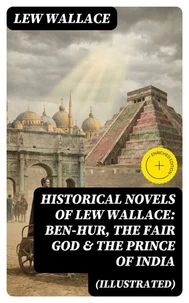
In "The Fair God, or: The Last of the 'Tzins, " Lew Wallace delivers a sweeping historical novel set against the backdrop of the fall of the Aztec Empire. The narrative intricately weaves themes of love, honor, and cultural conflict, showcasing Wallace's penchant for rich descriptions and character depth. Employing a vivid, romantic prose style, Wallace immerses the reader in the tumultuous landscape of Mesoamerica, where indigenous beliefs converge with the encroaching Spanish conquest, ultimately leading to a poignant exploration of identity and loss.
As part of the broader context of 19th-century American literature, Wallace's work reflects both the fascination with and the moral complexities of indigenous cultures and colonialism, offering a narrative that is as thought-provoking as it is entertaining. Lew Wallace, a Union general and a prominent lawyer, was deeply influenced by his diverse experiences, including his interactions with Native American communities and his own battle with faith and skepticism.
These encounters enriched the depth of his storytelling, providing a personal lens through which he could examine the clash of civilizations. Wallace's literary ambitions were further fueled by his desire to craft moral allegories, and "The Fair God" serves as an embodiment of these principles, blending adventure with thoughtful introspection. This captivating novel is highly recommended for readers interested in historical fiction that probes profound themes of ethics and human experience.
Wallace's narrative not only captivates the imagination through its engaging storyline but also invites readers to reflect on the past's complexities, making it a significant addition to the canon of American literature.
As part of the broader context of 19th-century American literature, Wallace's work reflects both the fascination with and the moral complexities of indigenous cultures and colonialism, offering a narrative that is as thought-provoking as it is entertaining. Lew Wallace, a Union general and a prominent lawyer, was deeply influenced by his diverse experiences, including his interactions with Native American communities and his own battle with faith and skepticism.
These encounters enriched the depth of his storytelling, providing a personal lens through which he could examine the clash of civilizations. Wallace's literary ambitions were further fueled by his desire to craft moral allegories, and "The Fair God" serves as an embodiment of these principles, blending adventure with thoughtful introspection. This captivating novel is highly recommended for readers interested in historical fiction that probes profound themes of ethics and human experience.
Wallace's narrative not only captivates the imagination through its engaging storyline but also invites readers to reflect on the past's complexities, making it a significant addition to the canon of American literature.