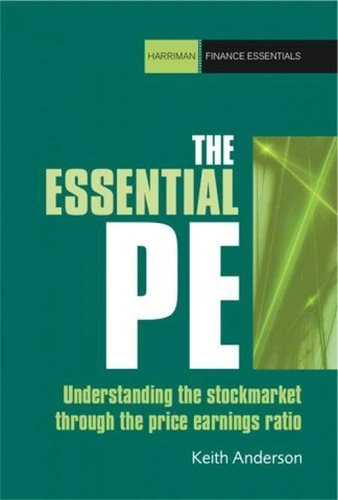
The price-earnings ratio, or P/E, is the most commonly quoted investment statistic, but have you ever considered what it actually means? For most people it's a shorthand way of deciding how highly the market regards a company, with investors prepared to overpay for earnings from a high-P/E 'glamour' stock as opposed to a low-P/E 'value' stock. However, academics have known since 1960 that the opposite is true: value stocks outperform glamour stocks consistently over decades.
A company with a low P/E may have been marked down for no readily apparent reason and thus could represent an attractive value investment for those with the patience to wait while the market re-values it. However, the P/E is a backward-looking measure and just because the company earned £1 per share last year it doesn't necessarily mean it will earn anything like that in the foreseeable future. Or, a low P/E can mean a company is deservedly cheap because it is in financial difficulty - in this case the company is likely to become cheaper yet or even go into administration.
This book is a practical guide to how you can adjust and improve the price-earnings ratio and use it, alongside other financial ratios, to run against the crowd and boost your stock returns.
The price-earnings ratio, or P/E, is the most commonly quoted investment statistic, but have you ever considered what it actually means? For most people it's a shorthand way of deciding how highly the market regards a company, with investors prepared to overpay for earnings from a high-P/E 'glamour' stock as opposed to a low-P/E 'value' stock. However, academics have known since 1960 that the opposite is true: value stocks outperform glamour stocks consistently over decades.
A company with a low P/E may have been marked down for no readily apparent reason and thus could represent an attractive value investment for those with the patience to wait while the market re-values it. However, the P/E is a backward-looking measure and just because the company earned £1 per share last year it doesn't necessarily mean it will earn anything like that in the foreseeable future. Or, a low P/E can mean a company is deservedly cheap because it is in financial difficulty - in this case the company is likely to become cheaper yet or even go into administration.
This book is a practical guide to how you can adjust and improve the price-earnings ratio and use it, alongside other financial ratios, to run against the crowd and boost your stock returns.