SOLDES
Jusqu'à -70% sur une sélection d'articles*

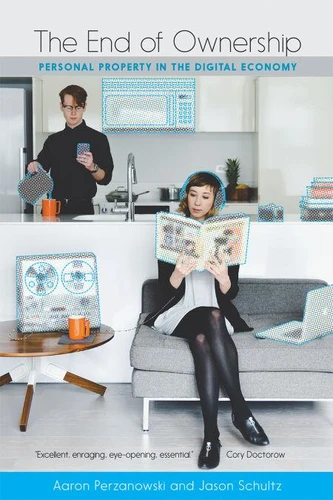
The End of Ownership. Personal Property in the Digital Economy
Par : ,Formats :
Disponible dans votre compte client Decitre ou Furet du Nord dès validation de votre commande. Le format ePub protégé est :
- Compatible avec une lecture sur My Vivlio (smartphone, tablette, ordinateur)
- Compatible avec une lecture sur liseuses Vivlio
- Pour les liseuses autres que Vivlio, vous devez utiliser le logiciel Adobe Digital Edition. Non compatible avec la lecture sur les liseuses Kindle, Remarkable et Sony
- Non compatible avec un achat hors France métropolitaine
 , qui est-ce ?
Notre partenaire de plateforme de lecture numérique où vous retrouverez l'ensemble de vos ebooks gratuitement
Pour en savoir plus sur nos ebooks, consultez notre aide en ligne ici
C'est si simple ! Lisez votre ebook avec l'app Vivlio sur votre tablette, mobile ou ordinateur :

- Nombre de pages264
- FormatePub
- ISBN978-0-262-33596-6
- EAN9780262335966
- Date de parution28/10/2016
- Protection num.Adobe DRM
- Taille948 Ko
- Infos supplémentairesepub
- ÉditeurThe MIT Press
Résumé
An argument for retaining the notion of personal property in the products we "buy" in the digital marketplace. If you buy a book at the bookstore, you own it. You can take it home, scribble in the margins, put in on the shelf, lend it to a friend, sell it at a garage sale. But is the same thing true for the ebooks or other digital goods you buy? Retailers and copyright holders argue that you don't own those purchases, you merely license them.
That means your ebook vendor can delete the book from your device without warning or explanation-as Amazon deleted Orwell's 1984 from the Kindles of surprised readers several years ago. These readers thought they owned their copies of 1984. Until, it turned out, they didn't. In The End of Ownership, Aaron Perzanowski and Jason Schultz explore how notions of ownership have shifted in the digital marketplace, and make an argument for the benefits of personal property.
Of course, ebooks, cloud storage, streaming, and other digital goods offer users convenience and flexibility. But, Perzanowski and Schultz warn, consumers should be aware of the tradeoffs involving user constraints, permanence, and privacy. The rights of private property are clear, but few people manage to read their end user agreements. Perzanowski and Schultz argue that introducing aspects of private property and ownership into the digital marketplace would offer both legal and economic benefits.
But, most important, it would affirm our sense of self-direction and autonomy. If we own our purchases, we are free to make whatever lawful use of them we please. Technology need not constrain our freedom; it can also empower us.
That means your ebook vendor can delete the book from your device without warning or explanation-as Amazon deleted Orwell's 1984 from the Kindles of surprised readers several years ago. These readers thought they owned their copies of 1984. Until, it turned out, they didn't. In The End of Ownership, Aaron Perzanowski and Jason Schultz explore how notions of ownership have shifted in the digital marketplace, and make an argument for the benefits of personal property.
Of course, ebooks, cloud storage, streaming, and other digital goods offer users convenience and flexibility. But, Perzanowski and Schultz warn, consumers should be aware of the tradeoffs involving user constraints, permanence, and privacy. The rights of private property are clear, but few people manage to read their end user agreements. Perzanowski and Schultz argue that introducing aspects of private property and ownership into the digital marketplace would offer both legal and economic benefits.
But, most important, it would affirm our sense of self-direction and autonomy. If we own our purchases, we are free to make whatever lawful use of them we please. Technology need not constrain our freedom; it can also empower us.