SOLDES
Jusqu'à -70% sur une sélection d'articles*

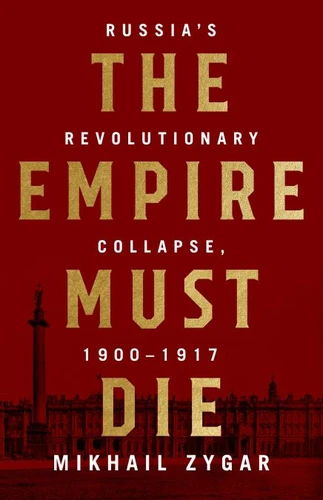
The Empire Must Die. Russia's Revolutionary Collapse, 1900-1917
Par :Formats :
Disponible dans votre compte client Decitre ou Furet du Nord dès validation de votre commande. Le format ePub protégé est :
- Compatible avec une lecture sur My Vivlio (smartphone, tablette, ordinateur)
- Compatible avec une lecture sur liseuses Vivlio
- Pour les liseuses autres que Vivlio, vous devez utiliser le logiciel Adobe Digital Edition. Non compatible avec la lecture sur les liseuses Kindle, Remarkable et Sony
- Non compatible avec un achat hors France métropolitaine
 , qui est-ce ?
Notre partenaire de plateforme de lecture numérique où vous retrouverez l'ensemble de vos ebooks gratuitement
Pour en savoir plus sur nos ebooks, consultez notre aide en ligne ici
C'est si simple ! Lisez votre ebook avec l'app Vivlio sur votre tablette, mobile ou ordinateur :

- Nombre de pages576
- FormatePub
- ISBN978-1-61039-832-9
- EAN9781610398329
- Date de parution07/11/2017
- Protection num.Adobe DRM
- Infos supplémentairesepub
- ÉditeurPublicAffairs
Résumé
From Tolstoy to Lenin, from Diaghilev to Stalin, The Empire Must Die is a tragedy of operatic proportions with a cast of characters that ranges from the exotic to utterly villainous, the glamorous to the depraved. In 1912, Russia experienced a flowering of liberalism and tolerance that placed it at the forefront of the modern world: women were fighting for the right to vote in the elections for the newly empowered parliament, Russian art and culture was the envy of Europe and America, there was a vibrant free press and intellectual life.
But a fatal flaw was left uncorrected: Russia's exuberant experimental moment took place atop a rotten foundation. The old imperial order, in place for three hundred years, still held the nation in thrall. Its princes, archdukes, and generals bled the country dry during the First World War and by 1917 the only consensus was that the Empire must die. Mikhail Zygar's dazzling, in-the-moment retelling of the two decades that prefigured the death of the Tsar, his family, and the entire imperial edifice is a captivating drama of what might have been versus what was subsequently seen as inevitable.
A monumental piece of political theater that only Russia was capable of enacting, the fall of the Russian Empire changed the course of the twentieth century and eerily anticipated the mood of the twenty-first.
But a fatal flaw was left uncorrected: Russia's exuberant experimental moment took place atop a rotten foundation. The old imperial order, in place for three hundred years, still held the nation in thrall. Its princes, archdukes, and generals bled the country dry during the First World War and by 1917 the only consensus was that the Empire must die. Mikhail Zygar's dazzling, in-the-moment retelling of the two decades that prefigured the death of the Tsar, his family, and the entire imperial edifice is a captivating drama of what might have been versus what was subsequently seen as inevitable.
A monumental piece of political theater that only Russia was capable of enacting, the fall of the Russian Empire changed the course of the twentieth century and eerily anticipated the mood of the twenty-first.