SOLDES
Jusqu'à -70% sur une sélection d'articles*

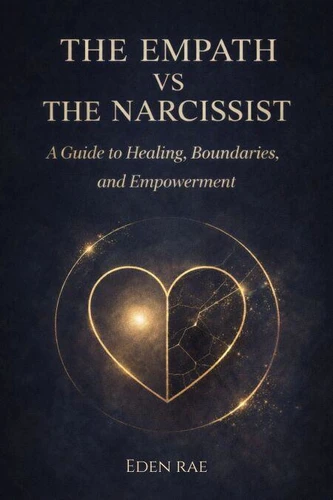
The Empath vs The Narcissist: A Guide to Healing, Boundaries, and Empowerment
Par :Formats :
Disponible dans votre compte client Decitre ou Furet du Nord dès validation de votre commande. Le format ePub est :
- Compatible avec une lecture sur My Vivlio (smartphone, tablette, ordinateur)
- Compatible avec une lecture sur liseuses Vivlio
- Pour les liseuses autres que Vivlio, vous devez utiliser le logiciel Adobe Digital Edition. Non compatible avec la lecture sur les liseuses Kindle, Remarkable et Sony
 , qui est-ce ?
Notre partenaire de plateforme de lecture numérique où vous retrouverez l'ensemble de vos ebooks gratuitement
Pour en savoir plus sur nos ebooks, consultez notre aide en ligne ici
C'est si simple ! Lisez votre ebook avec l'app Vivlio sur votre tablette, mobile ou ordinateur :

- FormatePub
- ISBN8215857779
- EAN9798215857779
- Date de parution21/12/2025
- Protection num.pas de protection
- Infos supplémentairesepub
- ÉditeurWMG Publishing
Résumé
The Empath vs The Narcissist is a calm, validating guide for people who have found themselves emotionally depleted within a relationship that felt confusing, unbalanced, or deeply draining. It is written for those who identify as empathic and who struggle to understand why certain dynamics feel so magnetic yet so painful. This book explores what empathy really is, separating it from self-sacrifice and emotional overextension.
It looks at narcissistic traits without turning them into labels or excuses, focusing instead on how these patterns show up in real relationships and why they can be so difficult to leave. Through clear, emotionally grounded chapters, readers are guided through the push and pull of the narcissistic cycle, the slow erosion of self-trust, and the subtle manipulation that often causes people to doubt their own instincts.
Particular attention is given to what happens internally to the empath over time, including burnout, anxiety, and loss of identity. The later chapters focus on boundaries in real life, not just in theory. They explore the complexity of staying, leaving, or creating distance, and what healing looks like after emotional harm. The emphasis is on reclaiming self-worth, rebuilding inner stability, and developing a quieter, stronger form of empowerment that does not rely on confrontation or blame.
This book is not about diagnosing others. It is about understanding yourself, protecting your emotional health, and moving forward with clarity, strength, and compassion for who you are.
It looks at narcissistic traits without turning them into labels or excuses, focusing instead on how these patterns show up in real relationships and why they can be so difficult to leave. Through clear, emotionally grounded chapters, readers are guided through the push and pull of the narcissistic cycle, the slow erosion of self-trust, and the subtle manipulation that often causes people to doubt their own instincts.
Particular attention is given to what happens internally to the empath over time, including burnout, anxiety, and loss of identity. The later chapters focus on boundaries in real life, not just in theory. They explore the complexity of staying, leaving, or creating distance, and what healing looks like after emotional harm. The emphasis is on reclaiming self-worth, rebuilding inner stability, and developing a quieter, stronger form of empowerment that does not rely on confrontation or blame.
This book is not about diagnosing others. It is about understanding yourself, protecting your emotional health, and moving forward with clarity, strength, and compassion for who you are.