SOLDES
Jusqu'à -70% sur une sélection d'articles*

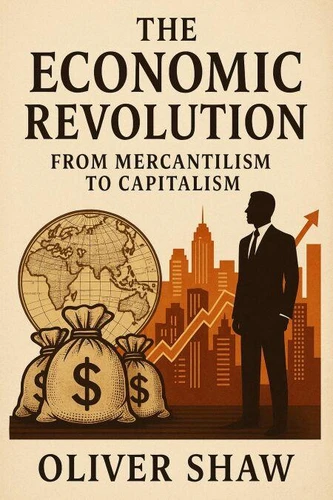
The Economic Revolution: From Mercantilism to Capitalism
Par :Formats :
Disponible dans votre compte client Decitre ou Furet du Nord dès validation de votre commande. Le format ePub est :
- Compatible avec une lecture sur My Vivlio (smartphone, tablette, ordinateur)
- Compatible avec une lecture sur liseuses Vivlio
- Pour les liseuses autres que Vivlio, vous devez utiliser le logiciel Adobe Digital Edition. Non compatible avec la lecture sur les liseuses Kindle, Remarkable et Sony
 , qui est-ce ?
Notre partenaire de plateforme de lecture numérique où vous retrouverez l'ensemble de vos ebooks gratuitement
Pour en savoir plus sur nos ebooks, consultez notre aide en ligne ici
C'est si simple ! Lisez votre ebook avec l'app Vivlio sur votre tablette, mobile ou ordinateur :

- FormatePub
- ISBN8230552369
- EAN9798230552369
- Date de parution18/04/2025
- Protection num.pas de protection
- Infos supplémentairesepub
- ÉditeurIndependently Published
Résumé
The Economic Revolution: From Mercantilism to Capitalism by Oliver Shaw traces the monumental shift in global economic systems from the early days of mercantilism to the rise of modern capitalism. This historical exploration delves into the economic, social, and political transformations that occurred as European powers, driven by mercantile policies, expanded their empires, amassing wealth through colonial trade, state intervention, and economic protectionism.
However, by the late 17th and 18th centuries, these old structures began to give way to new ideas and practices. Shaw examines the emergence of the capitalist system, propelled by the Industrial Revolution and the rise of free markets, private property, and wage labor. The book offers a detailed look at the key players-thinkers like Adam Smith, political movements, technological advancements, and the birth of multinational corporations-whose ideas and actions led to the establishment of global capitalism.
Through this examination, Shaw highlights the profound social and economic changes that reshaped societies, introducing new class dynamics, labor systems, and wealth disparities. With insights into the complex interplay between ideology, power, and economics, The Economic Revolution provides a comprehensive analysis of the forces that shaped the modern world economy, offering readers a deeper understanding of capitalism's origins, its impact on the global stage, and the lasting challenges that continue to define our economic systems today.
However, by the late 17th and 18th centuries, these old structures began to give way to new ideas and practices. Shaw examines the emergence of the capitalist system, propelled by the Industrial Revolution and the rise of free markets, private property, and wage labor. The book offers a detailed look at the key players-thinkers like Adam Smith, political movements, technological advancements, and the birth of multinational corporations-whose ideas and actions led to the establishment of global capitalism.
Through this examination, Shaw highlights the profound social and economic changes that reshaped societies, introducing new class dynamics, labor systems, and wealth disparities. With insights into the complex interplay between ideology, power, and economics, The Economic Revolution provides a comprehensive analysis of the forces that shaped the modern world economy, offering readers a deeper understanding of capitalism's origins, its impact on the global stage, and the lasting challenges that continue to define our economic systems today.


