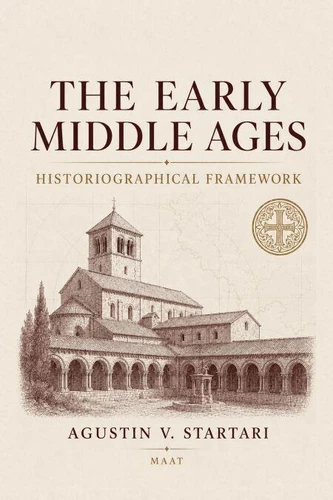



Agustin Startari es investigador, lingüista y autor especializado en la intersección entre lenguaje, inteligencia artificial, poder, legitimidad, responsabilidad y ciencias históricas. Su trabajo examina cómo las estructuras lingüísticas, discursivas y tecnológicas organizan la percepción de la autoridad, distribuyen la responsabilidad y condicionan la forma en que instituciones, sistemas de inteligencia artificial y estructuras de poder representan acontecimientos políticos, históricos y sociales.
Su investigación cruza lingüística, análisis del discurso, inteligencia artificial, historiografía, teoría del poder y estudios sobre legitimidad, con especial atención a la relación entre forma lingüística, autoridad y responsabilidad política. Entre sus principales líneas de investigación se encuentran: AI and Language Power and Language Linguistics and Discourse Analysis Historical Sciences and Historiography Political and Institutional Legitimacy Responsibility Attribution Computationally Mediated Discourse Language, Authority and Imperial Power Es autor de la serie de investigación Grammars of Asymmetric Visibility: AI, Imperial Power, and the Syntax of Responsibility, centrada en las relaciones entre inteligencia artificial, lenguaje, poder y atribución de responsabilidad.
También es autor de Papeles de Trabajo, una serie dedicada a la investigación histórica, la historiografía y el análisis de problemas vinculados con las ciencias históricas. Su producción combina investigación lingüística, análisis histórico y estudio sistemático de las formas mediante las cuales el lenguaje, las instituciones y los sistemas tecnológicos intervienen en la construcción y legitimación del poder.
Su investigación cruza lingüística, análisis del discurso, inteligencia artificial, historiografía, teoría del poder y estudios sobre legitimidad, con especial atención a la relación entre forma lingüística, autoridad y responsabilidad política. Entre sus principales líneas de investigación se encuentran: AI and Language Power and Language Linguistics and Discourse Analysis Historical Sciences and Historiography Political and Institutional Legitimacy Responsibility Attribution Computationally Mediated Discourse Language, Authority and Imperial Power Es autor de la serie de investigación Grammars of Asymmetric Visibility: AI, Imperial Power, and the Syntax of Responsibility, centrada en las relaciones entre inteligencia artificial, lenguaje, poder y atribución de responsabilidad.
También es autor de Papeles de Trabajo, una serie dedicada a la investigación histórica, la historiografía y el análisis de problemas vinculados con las ciencias históricas. Su producción combina investigación lingüística, análisis histórico y estudio sistemático de las formas mediante las cuales el lenguaje, las instituciones y los sistemas tecnológicos intervienen en la construcción y legitimación del poder.