SOLDES
Jusqu'à -70% sur une sélection d'articles*

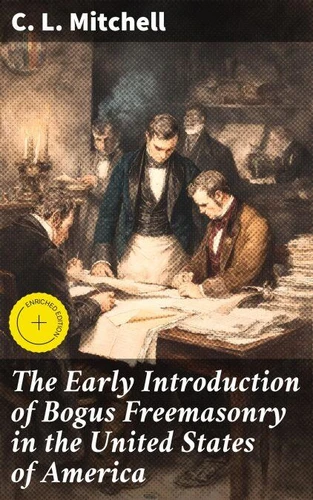
The Early Introduction of Bogus Freemasonry in the United States of America. Enriched edition. Uncovering the Shadowy Origins of Masonic Fraud in America
Par : ,Formats :
Disponible dans votre compte client Decitre ou Furet du Nord dès validation de votre commande. Le format ePub est :
- Compatible avec une lecture sur My Vivlio (smartphone, tablette, ordinateur)
- Compatible avec une lecture sur liseuses Vivlio
- Pour les liseuses autres que Vivlio, vous devez utiliser le logiciel Adobe Digital Edition. Non compatible avec la lecture sur les liseuses Kindle, Remarkable et Sony
 , qui est-ce ?
Notre partenaire de plateforme de lecture numérique où vous retrouverez l'ensemble de vos ebooks gratuitement
Pour en savoir plus sur nos ebooks, consultez notre aide en ligne ici
C'est si simple ! Lisez votre ebook avec l'app Vivlio sur votre tablette, mobile ou ordinateur :

- Nombre de pages57
- FormatePub
- ISBN859-65--4758344-8
- EAN8596547583448
- Date de parution18/09/2023
- Protection num.Digital Watermarking
- Taille1 Mo
- Infos supplémentairesepub
- ÉditeurGOOD PRESS
Résumé
In "The Early Introduction of Bogus Freemasonry in the United States of America, " C. L. Mitchell meticulously explores the complex tapestry of Masonic traditions and the emergence of spurious Masonic groups that infiltrated the United States during the early 19th century. With a keen analytical eye, Mitchell employs a blend of historical narrative and critical analysis, illustrating how these fraudulent organizations exploited the cultural and social milieu of the time.
The book's literary style is characterized by its rigorous scholarship and accessible prose, making it both informative and engaging for readers interested in American history, sociology, and the nuances of secret societies. C. L. Mitchell, a historian with a background in both American studies and occult traditions, is uniquely qualified to delve into this obscure yet significant chapter of American history.
His extensive research is grounded in firsthand accounts, primary sources, and the socio-political context of the era, providing a comprehensive understanding of how bogus Freemasonry not only deceived individuals but also sparked public discourse on legitimacy and fraternity in America. This book is highly recommended for scholars, students, and enthusiasts of Masonic studies and American history alike.
Mitchell's thorough examination encourages a reevaluation of the origins and impacts of such organizations, offering critical insights into broader themes of authenticity, identity, and societal organization. In this enriched edition, we have carefully created added value for your reading experience: - Hand-picked Memorable Quotes shine a spotlight on moments of literary brilliance. - Interactive footnotes clarify unusual references, historical allusions, and archaic phrases for an effortless, more informed read.
The book's literary style is characterized by its rigorous scholarship and accessible prose, making it both informative and engaging for readers interested in American history, sociology, and the nuances of secret societies. C. L. Mitchell, a historian with a background in both American studies and occult traditions, is uniquely qualified to delve into this obscure yet significant chapter of American history.
His extensive research is grounded in firsthand accounts, primary sources, and the socio-political context of the era, providing a comprehensive understanding of how bogus Freemasonry not only deceived individuals but also sparked public discourse on legitimacy and fraternity in America. This book is highly recommended for scholars, students, and enthusiasts of Masonic studies and American history alike.
Mitchell's thorough examination encourages a reevaluation of the origins and impacts of such organizations, offering critical insights into broader themes of authenticity, identity, and societal organization. In this enriched edition, we have carefully created added value for your reading experience: - Hand-picked Memorable Quotes shine a spotlight on moments of literary brilliance. - Interactive footnotes clarify unusual references, historical allusions, and archaic phrases for an effortless, more informed read.