SOLDES
Jusqu'à -70% sur une sélection d'articles*

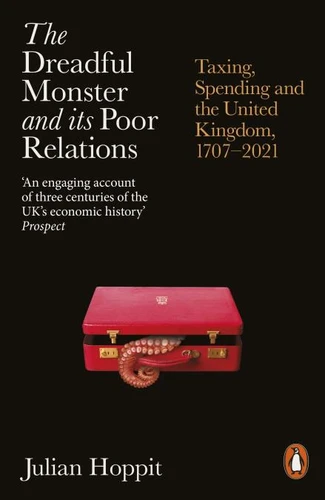
The Dreadful Monster and its Poor Relations. Taxing, Spending and the United Kingdom, 1707-2021
Par :Formats :
Disponible dans votre compte client Decitre ou Furet du Nord dès validation de votre commande. Le format ePub protégé est :
- Compatible avec une lecture sur My Vivlio (smartphone, tablette, ordinateur)
- Compatible avec une lecture sur liseuses Vivlio
- Pour les liseuses autres que Vivlio, vous devez utiliser le logiciel Adobe Digital Edition. Non compatible avec la lecture sur les liseuses Kindle, Remarkable et Sony
- Non compatible avec un achat hors France métropolitaine
 , qui est-ce ?
Notre partenaire de plateforme de lecture numérique où vous retrouverez l'ensemble de vos ebooks gratuitement
Pour en savoir plus sur nos ebooks, consultez notre aide en ligne ici
C'est si simple ! Lisez votre ebook avec l'app Vivlio sur votre tablette, mobile ou ordinateur :

- Nombre de pages352
- FormatePub
- ISBN978-0-241-43443-7
- EAN9780241434437
- Date de parution27/05/2021
- Protection num.Adobe DRM
- Infos supplémentairesepub
- ÉditeurPENGUIN
Résumé
'An invaluable primer to some of the underlying tensions behind contemporary political debate' Financial TimesIt has always been an important part of British self-image to see the United Kingdom as an ancient, organic and sensibly managed place, in striking contrast to the convulsions of other European countries. Yet, as Julian Hoppit makes clear in this fascinating and surprising book, beneath the complacent surface the United Kingdom has in fact been in a constant, often very tense argument with itself about how it should be run and, most significantly, who should pay for what.
The book takes its argument from an eighteenth century cartoon which shows the central state as the 'Dreadful Monster', gorging itself at the dinner table on all the taxes it can grab. Meanwhile the 'Poor Relations' - Scotland, Wales and Ireland, both poor because of tax but also poor in the sense of needing special treatment - are viewed in London as an endless 'drain on the state'. With drastically different levels of prosperity, population, industry, agriculture and accessibility between the United Kingdom's different nations, what is a fair basis for paying for the state?
The book takes its argument from an eighteenth century cartoon which shows the central state as the 'Dreadful Monster', gorging itself at the dinner table on all the taxes it can grab. Meanwhile the 'Poor Relations' - Scotland, Wales and Ireland, both poor because of tax but also poor in the sense of needing special treatment - are viewed in London as an endless 'drain on the state'. With drastically different levels of prosperity, population, industry, agriculture and accessibility between the United Kingdom's different nations, what is a fair basis for paying for the state?