Born in Ireland, the author is a passionate autodidact whose works are informed by a deep and abiding interest in History and crime. While holding postgraduate qualifications in the professional disciplines of Business and Computing, they channel their methodical training into relentless self-study and research. The author brings a unique blend of intellectual rigor and real-world experience to their writing, built over many years of dedicated, private scholarship.
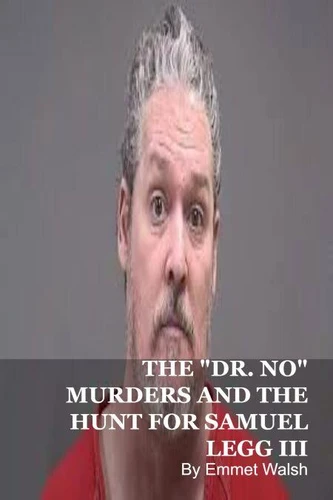
The "Dr. No" Murders And The Hunt For Samuel Legg III
Par :Formats :
Disponible dans votre compte client Decitre ou Furet du Nord dès validation de votre commande. Le format ePub est :
- Compatible avec une lecture sur My Vivlio (smartphone, tablette, ordinateur)
- Compatible avec une lecture sur liseuses Vivlio
- Pour les liseuses autres que Vivlio, vous devez utiliser le logiciel Adobe Digital Edition. Non compatible avec la lecture sur les liseuses Kindle, Remarkable et Sony
 , qui est-ce ?
Notre partenaire de plateforme de lecture numérique où vous retrouverez l'ensemble de vos ebooks gratuitement
Pour en savoir plus sur nos ebooks, consultez notre aide en ligne ici
C'est si simple ! Lisez votre ebook avec l'app Vivlio sur votre tablette, mobile ou ordinateur :

- FormatePub
- ISBN8223760023
- EAN9798223760023
- Date de parution21/12/2025
- Protection num.pas de protection
- Infos supplémentairesepub
- ÉditeurDraft2Digital
Résumé
The "Dr. No" Murders And The Hunt For Samuel Legg IIIBetween 1981 and 1997, a serial killer stalked truck stops and highways across the Midwest, murdering at least ten women-most of them sex workers operating in the dangerous economy surrounding interstate commerce. Known as "Dr. No" from a CB radio handle, the killer eluded capture for decades despite intensive investigation, operating with near-impunity as he selected victims from America's most marginalized populations.
In 2019, familial DNA searching finally identified the predator: Samuel Legg III, a long-haul truck driver whose neurosyphilis had rendered him permanently incompetent to stand trial. DNA evidence definitively linked him to three murders, though the full scope of his crimes may never be known. The Shadow at the Truck Stop tells the complete story of the "Dr. No" investigation-from the first victims found along Ohio interstates to the cutting-edge genetic genealogy that cracked the case four decades later.
It examines how jurisdictional fragmentation, technological limitations, and societal devaluation of sex workers allowed a serial killer to operate freely for years. Most powerfully, it reveals how the sex workers themselves identified the danger and warned each other years before law enforcement could act-knowledge that was epistemically valid but socially powerless. This is a story about violence and survival, science and justice, memory and marginalization, and what accountability means when the killer's mind is destroyed before he can face trial.
In 2019, familial DNA searching finally identified the predator: Samuel Legg III, a long-haul truck driver whose neurosyphilis had rendered him permanently incompetent to stand trial. DNA evidence definitively linked him to three murders, though the full scope of his crimes may never be known. The Shadow at the Truck Stop tells the complete story of the "Dr. No" investigation-from the first victims found along Ohio interstates to the cutting-edge genetic genealogy that cracked the case four decades later.
It examines how jurisdictional fragmentation, technological limitations, and societal devaluation of sex workers allowed a serial killer to operate freely for years. Most powerfully, it reveals how the sex workers themselves identified the danger and warned each other years before law enforcement could act-knowledge that was epistemically valid but socially powerless. This is a story about violence and survival, science and justice, memory and marginalization, and what accountability means when the killer's mind is destroyed before he can face trial.