SOLDES
Jusqu'à -70% sur une sélection d'articles*

Nouveauté
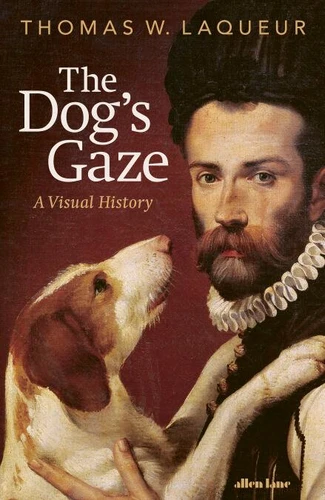
The Dog's Gaze /anglais
Par :Formats :
Disponible dans votre compte client Decitre ou Furet du Nord dès validation de votre commande. Le format ePub protégé est :
- Compatible avec une lecture sur My Vivlio (smartphone, tablette, ordinateur)
- Compatible avec une lecture sur liseuses Vivlio
- Pour les liseuses autres que Vivlio, vous devez utiliser le logiciel Adobe Digital Edition. Non compatible avec la lecture sur les liseuses Kindle, Remarkable et Sony
- Non compatible avec un achat hors France métropolitaine
 , qui est-ce ?
Notre partenaire de plateforme de lecture numérique où vous retrouverez l'ensemble de vos ebooks gratuitement
Pour en savoir plus sur nos ebooks, consultez notre aide en ligne ici
C'est si simple ! Lisez votre ebook avec l'app Vivlio sur votre tablette, mobile ou ordinateur :

- Nombre de pages400
- FormatePub
- ISBN978-1-80206-777-4
- EAN9781802067774
- Date de parution07/05/2026
- Protection num.Adobe DRM
- Infos supplémentairesepub
- ÉditeurPenguin
Résumé
What do dogs do in art? A dazzlingly original cultural history from the Cundill Prize-winning historian Long before the phrase 'man's best friend' became common parlance, dogs were already standing beside us in art as in life. In The Dog's Gaze, the historian Thomas W. Laqueur invites us to explore why they feature more than any other animal in the ways in which we picture ourselves and our stories.
Dogs have been ubiquitous in the worldmaking of visual artists as far back as the Palaeolithic age. Looking across the western tradition, from Giotto to Goya and Rubens to Rego, Laqueur shows what their presence - as hunting partners, beloved friends and even conduits to the afterlife - reveals about our own ways of seeing and how we want to be remembered. Far from being mere motifs, dogs are an integral and intentional element of the images in which they appear: they provide narrative coherence; they look out and bear witness, often on the artist's behalf; they illuminate our understanding of morality and melancholy and some, like us, become celebrities.
Indeed, as the author shows, dogs in art are our social doppelgängers, our companions in looking and being. Richly illustrated and lovingly written, The Dog's Gaze is a unique visual history that examines the shared social history of our two species and offers fresh insights into the human condition through the eyes of our canine companions.
Dogs have been ubiquitous in the worldmaking of visual artists as far back as the Palaeolithic age. Looking across the western tradition, from Giotto to Goya and Rubens to Rego, Laqueur shows what their presence - as hunting partners, beloved friends and even conduits to the afterlife - reveals about our own ways of seeing and how we want to be remembered. Far from being mere motifs, dogs are an integral and intentional element of the images in which they appear: they provide narrative coherence; they look out and bear witness, often on the artist's behalf; they illuminate our understanding of morality and melancholy and some, like us, become celebrities.
Indeed, as the author shows, dogs in art are our social doppelgängers, our companions in looking and being. Richly illustrated and lovingly written, The Dog's Gaze is a unique visual history that examines the shared social history of our two species and offers fresh insights into the human condition through the eyes of our canine companions.