SOLDES
Jusqu'à -70% sur une sélection d'articles*

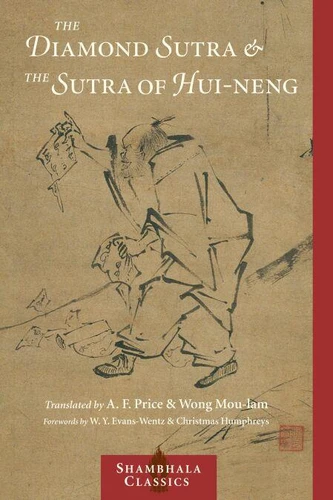
The Diamond Sutra and The Sutra of Hui-neng
Par : , , ,Formats :
Disponible dans votre compte client Decitre ou Furet du Nord dès validation de votre commande. Le format ePub protégé est :
- Compatible avec une lecture sur My Vivlio (smartphone, tablette, ordinateur)
- Compatible avec une lecture sur liseuses Vivlio
- Pour les liseuses autres que Vivlio, vous devez utiliser le logiciel Adobe Digital Edition. Non compatible avec la lecture sur les liseuses Kindle, Remarkable et Sony
- Non compatible avec un achat hors France métropolitaine
 , qui est-ce ?
Notre partenaire de plateforme de lecture numérique où vous retrouverez l'ensemble de vos ebooks gratuitement
Pour en savoir plus sur nos ebooks, consultez notre aide en ligne ici
C'est si simple ! Lisez votre ebook avec l'app Vivlio sur votre tablette, mobile ou ordinateur :

- Nombre de pages176
- FormatePub
- ISBN0-8348-2609-7
- EAN9780834826090
- Date de parution08/11/2005
- Protection num.Adobe DRM
- Taille1 Mo
- Infos supplémentairesepub
- ÉditeurShambhala
Résumé
Two classic Zen Buddhist texts that present the foundational teachings of the tradition-now collected in one volume for the modern practitioner The Diamond Sutra, composed in India in the fourth century CE, is one of the most treasured works of Buddhist literature and is the oldest existing printed book in the world. It is known as the Diamond Sutra because its teachings are said to be like diamonds that cut away all dualistic thought, releasing one from the attachment to objects and bringing one to the further shore of enlightenment.
The format of this important sutra is presented as a conversation between the Buddha and one of his disciples. The Sutra of Hui-neng, also known as the Platform Sutra, contains the autobiography of a pivotal figure in Zen history and some of the most profound passages of Zen literature. Hui-neng (638-713) was the sixth patriarch of Zen in China but is often regarded as the true father of the Zen tradition.
He was a poor, illiterate woodcutter who is said to have attained enlightenment upon hearing a recitation of the Diamond Sutra. Together, these two scriptures present the central teaching of the Zen Buddhist tradition and are essential reading for all students of Buddhism.
The format of this important sutra is presented as a conversation between the Buddha and one of his disciples. The Sutra of Hui-neng, also known as the Platform Sutra, contains the autobiography of a pivotal figure in Zen history and some of the most profound passages of Zen literature. Hui-neng (638-713) was the sixth patriarch of Zen in China but is often regarded as the true father of the Zen tradition.
He was a poor, illiterate woodcutter who is said to have attained enlightenment upon hearing a recitation of the Diamond Sutra. Together, these two scriptures present the central teaching of the Zen Buddhist tradition and are essential reading for all students of Buddhism.