SOLDES
Jusqu'à -70% sur une sélection d'articles*

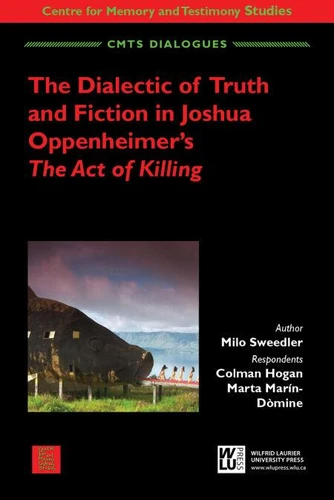
The Dialectic of Truth and Fiction in Joshua Oppenheimer's: The Act of Killing
Par : , ,Formats :
Disponible dans votre compte client Decitre ou Furet du Nord dès validation de votre commande. Le format ePub est :
- Compatible avec une lecture sur My Vivlio (smartphone, tablette, ordinateur)
- Compatible avec une lecture sur liseuses Vivlio
- Pour les liseuses autres que Vivlio, vous devez utiliser le logiciel Adobe Digital Edition. Non compatible avec la lecture sur les liseuses Kindle, Remarkable et Sony
 , qui est-ce ?
Notre partenaire de plateforme de lecture numérique où vous retrouverez l'ensemble de vos ebooks gratuitement
Pour en savoir plus sur nos ebooks, consultez notre aide en ligne ici
C'est si simple ! Lisez votre ebook avec l'app Vivlio sur votre tablette, mobile ou ordinateur :

- Nombre de pages40
- FormatePub
- ISBN978-1-77112-128-6
- EAN9781771121286
- Date de parution01/10/2014
- Protection num.Digital Watermarking
- Taille451 Ko
- Infos supplémentairesepub
- ÉditeurLaurier Digital
Résumé
The Act of Killing is a documentary film on the Indonesian genocide that took place between October 1965 and March 1966, during which time an estimated 500, 000 to 2.5 million accused communists, including landless farmers, unionized workers, labour organizers, intellectuals and ethnic Chinese Indonesians, were killed. However, much of the film is dedicated to fictional re-enactments of the 1965-66 killings.
Oppenheimer's approach is to bring into relief the contours of the extermination of communists in Indonesia by inviting former death-squad leaders and paramilitary gangsters to re-enact the killings in whatever ways they choose. They opt at times for a realist aesthetic and at other times for genres as diverse as Hollywood westerns, film noir gangster movies, and glitzy musicals. The text explores the aesthetic and political consequences springing from this modality of representation while comparing the film to other representative testimonial documentaries of genocides and extermination.
Oppenheimer's approach is to bring into relief the contours of the extermination of communists in Indonesia by inviting former death-squad leaders and paramilitary gangsters to re-enact the killings in whatever ways they choose. They opt at times for a realist aesthetic and at other times for genres as diverse as Hollywood westerns, film noir gangster movies, and glitzy musicals. The text explores the aesthetic and political consequences springing from this modality of representation while comparing the film to other representative testimonial documentaries of genocides and extermination.