SOLDES
Jusqu'à -70% sur une sélection d'articles*

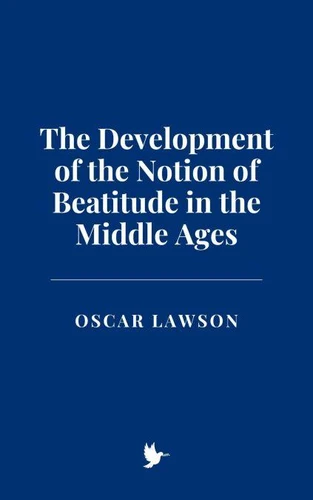
The Development of the Notion of Beatitude in the Middle Ages
Par :Formats :
Disponible dans votre compte client Decitre ou Furet du Nord dès validation de votre commande. Le format ePub est :
- Compatible avec une lecture sur My Vivlio (smartphone, tablette, ordinateur)
- Compatible avec une lecture sur liseuses Vivlio
- Pour les liseuses autres que Vivlio, vous devez utiliser le logiciel Adobe Digital Edition. Non compatible avec la lecture sur les liseuses Kindle, Remarkable et Sony
 , qui est-ce ?
Notre partenaire de plateforme de lecture numérique où vous retrouverez l'ensemble de vos ebooks gratuitement
Pour en savoir plus sur nos ebooks, consultez notre aide en ligne ici
C'est si simple ! Lisez votre ebook avec l'app Vivlio sur votre tablette, mobile ou ordinateur :

- FormatePub
- ISBN8230936565
- EAN9798230936565
- Date de parution02/01/2025
- Protection num.pas de protection
- Infos supplémentairesepub
- ÉditeurIndependently Published
Résumé
This book explores the evolution of the concept of beatitude, or ultimate happiness, as it developed throughout the Middle Ages, tracing its origins, transformations, and enduring legacy. Grounded in classical philosophy and Christian theology, medieval thought elevated beatitude as the culmination of human existence-a transcendent state of union with God achieved through divine grace and the fulfillment of human nature.
Each chapter examines the multifaceted dimensions of beatitude, from its philosophical roots in ancient Greece and the theological innovations of the Church Fathers to its systematization in scholastic thought and its artistic and literary expressions. The work delves into the contributions of key figures such as Augustine, Aquinas, and Dante, as well as the broader cultural and intellectual movements that shaped the medieval understanding of happiness.
It considers the integration of reason and faith, the role of virtue, and the eschatological promise of the beatific vision, while also addressing alternative perspectives from Islamic and Jewish traditions. The later chapters explore the transformation of the concept during the Renaissance and Enlightenment, the challenges posed by modernity, and the rearticulation of beatitude in contemporary theological discourse.
By engaging with primary texts, historical contexts, and the interplay between theology, philosophy, and art, this book reveals the enduring relevance of the medieval idea of beatitude. It highlights how this concept has informed Christian thought, inspired cultural achievements, and provided a framework for grappling with humanity's deepest aspirations. Ultimately, the book offers a comprehensive account of the legacy of beatitude, affirming its significance as a lens through which to understand the human quest for meaning, purpose, and ultimate fulfillment.
Each chapter examines the multifaceted dimensions of beatitude, from its philosophical roots in ancient Greece and the theological innovations of the Church Fathers to its systematization in scholastic thought and its artistic and literary expressions. The work delves into the contributions of key figures such as Augustine, Aquinas, and Dante, as well as the broader cultural and intellectual movements that shaped the medieval understanding of happiness.
It considers the integration of reason and faith, the role of virtue, and the eschatological promise of the beatific vision, while also addressing alternative perspectives from Islamic and Jewish traditions. The later chapters explore the transformation of the concept during the Renaissance and Enlightenment, the challenges posed by modernity, and the rearticulation of beatitude in contemporary theological discourse.
By engaging with primary texts, historical contexts, and the interplay between theology, philosophy, and art, this book reveals the enduring relevance of the medieval idea of beatitude. It highlights how this concept has informed Christian thought, inspired cultural achievements, and provided a framework for grappling with humanity's deepest aspirations. Ultimately, the book offers a comprehensive account of the legacy of beatitude, affirming its significance as a lens through which to understand the human quest for meaning, purpose, and ultimate fulfillment.
A propos de Oscar Lawson






2,99 €