Nouveauté
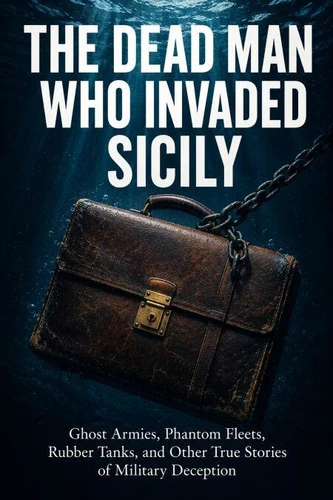
THE DEAD MAN WHO INVADED SICILY:Ghost Armies, Phantom Fleets, Rubber Tanks, and Other True Stories of Military Deception
Par :Formats :
Disponible dans votre compte client Decitre ou Furet du Nord dès validation de votre commande. Le format ePub est :
- Compatible avec une lecture sur My Vivlio (smartphone, tablette, ordinateur)
- Compatible avec une lecture sur liseuses Vivlio
- Pour les liseuses autres que Vivlio, vous devez utiliser le logiciel Adobe Digital Edition. Non compatible avec la lecture sur les liseuses Kindle, Remarkable et Sony
 , qui est-ce ?
Notre partenaire de plateforme de lecture numérique où vous retrouverez l'ensemble de vos ebooks gratuitement
Pour en savoir plus sur nos ebooks, consultez notre aide en ligne ici
C'est si simple ! Lisez votre ebook avec l'app Vivlio sur votre tablette, mobile ou ordinateur :

- FormatePub
- ISBN8235747456
- EAN9798235747456
- Date de parution15/07/2026
- Protection num.pas de protection
- Infos supplémentairesepub
- ÉditeurIoakim Ioakim
Résumé
The Dead Man Who Invaded Sicily is a riveting work of military deception and hidden history that reveals how armies win by shaping what the enemy believes. From Operation Mincemeat to the Ghost Army, from Patton's phantom army to Soviet WWII deception, this book follows the true stories of war's second battlefield: the mind of the opponent. A dead man carrying false papers. Inflatable tanks. Imaginary spies.
Wooden cannons. A disguised merchant ship built to lure a submarine into firing range. Across the 19th and 20th centuries, commanders, intelligence officers, camouflage experts, and double agents learned that a well-built illusion could redirect armies, delay attacks, and change the course of history. Written in a vivid narrative style, this book explores the real operations behind some of the most famous deception campaigns in military history.
Readers will encounter Operation Mincemeat, the Ghost Army, Operation Fortitude, Q-ships, maskirovka, and other true stories war enthusiasts and history readers love. Each chapter shows how deception worked not as a trick, but as a system of evidence, expectation, and action. For readers of World War II history, espionage, battlefield strategy, and obscure wartime operations, this is a fast-moving account of how false signals, controlled rumors, and carefully staged evidence fooled enemy commanders.
If you are drawn to wartime intelligence, secret operations, and the hidden mechanics behind famous victories, this book delivers a fresh angle on history you thought you knew.
Wooden cannons. A disguised merchant ship built to lure a submarine into firing range. Across the 19th and 20th centuries, commanders, intelligence officers, camouflage experts, and double agents learned that a well-built illusion could redirect armies, delay attacks, and change the course of history. Written in a vivid narrative style, this book explores the real operations behind some of the most famous deception campaigns in military history.
Readers will encounter Operation Mincemeat, the Ghost Army, Operation Fortitude, Q-ships, maskirovka, and other true stories war enthusiasts and history readers love. Each chapter shows how deception worked not as a trick, but as a system of evidence, expectation, and action. For readers of World War II history, espionage, battlefield strategy, and obscure wartime operations, this is a fast-moving account of how false signals, controlled rumors, and carefully staged evidence fooled enemy commanders.
If you are drawn to wartime intelligence, secret operations, and the hidden mechanics behind famous victories, this book delivers a fresh angle on history you thought you knew.